

Hot Box ® Stove Installation
Twin Wall Flue
Schiedel twin wall chimney systems for wood burning stoves, log burners and homes without an existing chimney.
Twin wall flue systems allow a wood burning stove to be installed where there is no suitable masonry chimney. Hot Box ® Stoves supplies Schiedel twin wall chimney components and can help with flue design, product selection and stove installation.
Shop twin wall flue parts Twin wall flue calculatorThe Hot Box ® way
Twin wall chimney systems for homes without a chimney
A twin wall chimney system is an insulated metal flue used when a stove cannot be connected to a suitable existing chimney. It can pass through walls, floors, ceilings, flat roofs and pitched roofs when designed and installed correctly.
Since 2008, Hot Box ® Stoves has installed wood burners and flue systems across Yorkshire. Our preferred system is Schiedel, because the components are well engineered, reliable and suitable for high-quality stove installations.
Whether you need to buy components online or want a complete stove and flue installation, we can help you understand the parts, route and specification required.
Browse flue parts Book a stove survey
Shop twin wall flue components
Browse twin wall chimney system parts including starting components, pipes, bends, tees, terminals, supports, wall sleeves and trim collars.
Twin Wall Flue System Parts Explained
Twin wall starting components
Starting components connect the stove pipe or appliance outlet to the insulated chimney system. The correct size must be selected to suit the stove outlet and the flue route.
Twin wall flue pipes
Twin wall pipe sections create the main height of the chimney. Fixed and adjustable lengths allow the installer to build the correct route through the property and above roof level.
Twin wall bends
Bends are used to offset the chimney route where required. They should be kept to a minimum because excessive changes in direction can affect performance and sweeping access.
Twin wall tees
Tees are commonly used where the system passes through a wall or connects from the rear of an appliance. They can also provide important access for sweeping and inspection.
Twin wall terminals
The terminal completes the top of the chimney system. The right terminal depends on the location, exposure and flue design. Rain caps and anti-downdraught options may be considered.
Wall sleeves and roof flashings
Wall sleeves and flashings help the flue pass through the building fabric. The correct component depends on whether the system passes through a wall, flat roof or pitched roof.
Support components
Twin wall systems must be properly supported. Wall brackets, support plates and other fixing components help secure the chimney and maintain the correct route.
Trim collars
Trim collars are used around penetrations through walls, ceilings or floors. They provide a neat finish once the main chimney system has been installed.
Twin wall flue calculator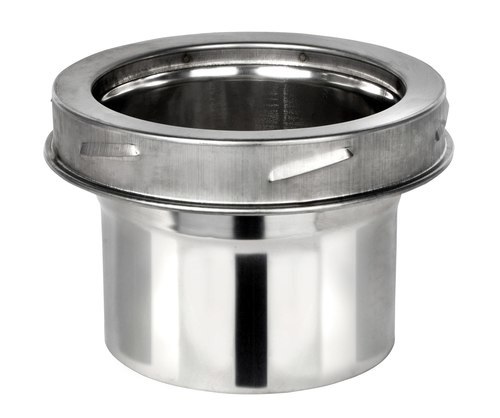
Starting Components
Begin the connection from the stove pipe into the insulated chimney system.

Twin Wall Bends
Offset the flue route where required while keeping the system practical to sweep.

Flue Terminals
Complete the top of the chimney system with the correct terminal detail.
Installing a stove without an existing chimney
If your property does not have a suitable chimney, a twin wall system can usually provide the flue route needed for a wood burning stove. The chimney may run internally through floors and roof spaces, or externally after passing through an outside wall.
The best route depends on the stove position, wall construction, roof design, room layout and the required height above the roof. The system must also maintain safe distances to combustible materials and be installed in accordance with Building Regulations and manufacturer guidance.
Hot Box ® Stoves can help with both component supply and complete stove installation. We can also assist with flue design for online customers who are ordering parts.
Stove installation servicesCommon twin wall flue routes
- External wall route where the flue exits through a wall and rises externally.
- Internal vertical route where the flue passes through floors, ceilings and the roof.
- Flat roof route using the correct roof penetration and weathering detail.
- Pitched roof route using suitable flashings and roof support components.
- Rear exit stove route using an appropriate tee and sweeping access.
- Offset route where bends are needed to avoid structure or roof obstructions.
Typical internal and external flue systems
These examples show common chimney routes for stove installations where a masonry chimney is not available.


How to install a wood stove chimney through a wall
A through-wall flue route is common where the stove is positioned on or near an external wall. The system normally passes through the wall using the correct sleeve and then continues vertically outside the property.
A typical through-wall installation may include stove pipe, a bend, a wall sleeve, an adjustable length, a tee, support brackets and the external insulated chimney sections. The exact components depend on the stove outlet, wall thickness, route and final chimney height.
Because the system deals with heat, combustion products and building penetrations, design and installation should be checked by a competent installer. Hot Box ® Stoves can help specify the route and supply the correct Schiedel components.
Calculate flue partsTypical through-wall parts
- Stove pipe or appliance connector.
- 45° bend or appropriate offset component.
- Wall sleeve through the external wall.
- Adjustable pipe section for alignment.
- 135° tee or suitable external tee arrangement.
- Wall supports and brackets.
- External twin wall flue pipe lengths.
- Terminal suitable for the installation.
Why Hot Box ® uses Schiedel flue systems
Hot Box ® Stoves has used Schiedel twin wall chimney systems for many years because the components are robust, well engineered and suited to professional stove installations.
A quality flue system is not the place to compromise. The chimney affects draught, safety, serviceability and long-term stove performance.
For manufacturer information, you can also visit the Schiedel UK website.
Shop Schiedel flue partsComplete your stove installation
Twin wall flue FAQs
What is a twin wall flue?
A twin wall flue is an insulated metal chimney system used to take smoke and combustion gases safely from a stove to outside air. It is commonly used where there is no suitable masonry chimney.
Do I need a twin wall chimney for a wood burner?
You may need one if your property does not have a suitable existing chimney or if the stove position is away from a usable flue route.
Can a twin wall flue go through a wall?
Yes. A common installation route is through an external wall and then vertically up the outside of the property. The correct wall sleeve, tee, support brackets and pipe sections must be used.
Can a twin wall flue go through a roof?
Yes. Twin wall systems can pass through flat roofs and pitched roofs when the correct flashings, supports and fire-stopping details are used.
Can Hot Box ® design my twin wall flue system?
Yes. Hot Box ® Stoves can help specify the route and components. We also offer stove installation services in suitable areas.
Why choose Schiedel twin wall flue?
Schiedel is a well-established flue manufacturer. Hot Box ® Stoves uses Schiedel because the system is reliable, professional and suited to quality stove installations.
Hot Box ® Stoves
Build the right twin wall flue system
Shop Schiedel twin wall chimney parts, calculate your flue requirements or speak to Hot Box ® Stoves about a complete wood burner and chimney installation.
Twin wall flue calculator Contact Hot Box ®
194 Fulford Road, York, North Yorkshire
YO10 4DD, United Kingdom
All rights reserved
 Stoves
 Bio Ethanol Fires
 Beams
Beams Fireplace Surrounds
 Hearths
 Fireside Services
 Logs For Wood Burner
 Outdoor Living
 Instant Quote
 Contact Hot Box®