

Hot Box ® Stove Installation Packages
Log Burner Flue Kits & Complete Stove Packages
Carefully assembled stove, liner and chimney packages designed to make product selection clearer, ordering easier and installation planning more efficient.
Complete
Component Packages
Trusted
Installation Products
Expert
Technical Guidance
UK
Delivery Available
Plan the Complete Installation
More Than Just a Wood Burning Stove
A wood burning stove requires a correctly designed route through which combustion gases can safely discharge to the outside atmosphere.
Depending on the property, this may involve a flexible flue liner installed within an existing masonry chimney or a factory-made insulated twin-wall chimney system where no suitable chimney exists.
Hot Box ® stove and flue packages bring together compatible components to make the initial buying process clearer. They are intended to help customers, installers and trade professionals identify the principal products required for a particular installation arrangement.
Why Choose a Hot Box ® Flue Kit?
Hot Box ® began supplying and installing wood burning stoves in 2008. That practical experience has influenced the components, chimney systems and installation products we continue to recommend.
Our preferred systems include products from established chimney manufacturers such as Schiedel, with carefully matched connectors, terminals and associated installation components.
Every property and installation route remains different. A packaged kit therefore provides a useful starting point, but the final specification should always be checked against the appliance instructions, the building and the proposed chimney design.
Read About Stove Installation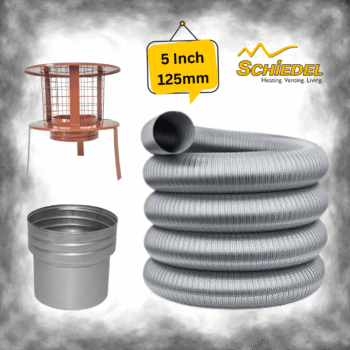
What Is a Log Burner Flue Kit?
A log burner flue kit is a collection of components selected to connect a wood burning appliance to a suitable chimney or flue system.
Its purpose is to provide a continuous and appropriately sized route through which smoke and combustion gases can travel from the appliance to a compliant terminal position outside the building.
The required kit depends on whether the installation uses an existing masonry chimney, a new insulated chimney system or a combination of appliance pipe and chimney components.
Typical Flexible Liner Kit Components
- Stainless-steel flexible flue liner of the correct diameter and length
- Suitable liner lowering or pulling cone
- Flexible liner-to-stove-pipe connector
- Register or closure plate components
- Vitreous enamel or connecting flue pipe
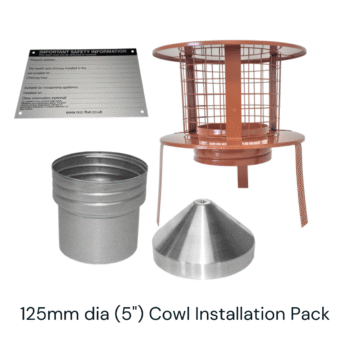
- Appropriate chimney cowl or terminal
- Specified seals, fixings and finishing products
Explore our flexible flue liners and components.
Typical Twin-Wall Chimney Components
- Appliance connector or adaptor
- Insulated twin-wall chimney lengths
- Elbows or offsets where permitted by the system design
- Wall supports, brackets or structural supports
- Tee, inspection or sweeping provision where required
- Ceiling, wall and roof penetration components
- Fire-stop, support and shielding components
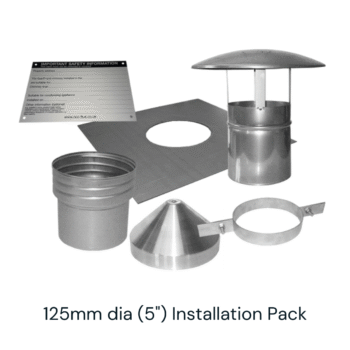
- Roof flashing and storm collar
- Suitable chimney terminal
Twin-wall chimney components should form part of one compatible tested system. Products from different chimney systems should not be mixed unless the relevant manufacturers expressly permit the arrangement.
Explore our twin-wall chimney systems.

Understand the System
Principal Components of a Stove Flue Installation
The precise components will depend on the stove, property, chimney condition and proposed route. The following elements are commonly encountered.
Connecting Stove Pipe
Connecting flue pipe joins the appliance outlet to the chimney or liner connector. It is normally visible within the room and must be installed with the correct diameter, joint direction and clearances.
Flexible Flue Liner
A stainless-steel flexible liner can be installed within a suitable masonry chimney to provide a continuous flue route. The liner specification must be appropriate for the intended fuel and appliance.
Twin-Wall Chimney
A factory-made insulated chimney can provide a flue route where no masonry chimney exists. Its supports, penetrations and clearances must follow the manufacturer’s tested system requirements.
Roof Flashing
The flashing creates a weather-resistant junction where the chimney penetrates the roof covering. The correct flashing depends on roof pitch, surface material and chimney diameter.
Supports & Brackets
Twin-wall systems require correctly positioned supports and brackets to transfer loads safely and provide stability. The chimney must not rely on unsupported joints.
Terminal or Cowl
The terminal completes the flue at its discharge point. The correct arrangement depends on the chimney system, fuel, appliance and local exposure conditions.
Which Flue Kit Is Right for Your Property?
Flexible Flue Liner Kits
A flexible liner kit is commonly used where a wood burning stove is connected to an existing masonry chimney.
Before ordering, consider:
- Appliance outlet diameter: the chimney and connector arrangement must be correctly sized for the stove and installation.
- Required liner length: measure the full chimney route and allow an appropriate installation contingency.
- Chimney condition: the masonry chimney, pot, terminal and surrounding roof details should be inspected.
- Access: safe access is required to the chimney terminal during installation.
- Connector arrangement: the liner must be securely connected to the appliance pipe using compatible components.
- Terminal detail: the liner must be correctly supported and terminated at the chimney top.
Read our guide to chimney lining for wood burning stoves.
Use our flue liner measuring guide before ordering.
Shop Flexible Flue LinersTwin-Wall Chimney Kits
Twin-wall chimney systems are generally used where no suitable masonry chimney is available or where a new chimney route is required.
The chimney may rise internally through floors and the roof or pass through an external wall before continuing vertically outside.
Important considerations include:
- Chimney route: a predominantly vertical route will generally perform better than one containing avoidable offsets.
- Clearance to combustibles: use the distance specified for the selected tested chimney system.
- Structural support: the chimney must be supported in accordance with the manufacturer’s design instructions.
- Floor and roof penetrations: approved support, shielding, fire-stop and weathering components must be used.
- Sweeping access: the system must include suitable provision for inspection, cleaning and maintenance.
- Terminal position: the chimney must terminate in a suitable location and at an appropriate height.
Read our twin-wall chimney system guide.
Explore Twin-Wall SystemsCommon Chimney Arrangements
Three Typical Installation Routes
The correct route depends on the appliance, property construction, available space and the position at which the chimney can safely terminate.
01
Existing Masonry Chimney
A flexible stainless-steel liner is installed within a suitable existing chimney and connected to the stove using compatible appliance and liner components.
The chimney should be inspected, swept and assessed before installation.
02
Through the Ceiling & Roof
An insulated factory-made chimney rises vertically from the stove, through the building and roof.
This can provide an efficient chimney route but requires careful detailing at floors, ceilings, insulation zones and the roof covering.
03
Through an External Wall
The chimney passes through a suitable external wall before turning vertically and continuing above the roofline.
External systems require appropriate brackets, support, sweeping provision and careful consideration of terminal height and neighbouring structures.
Complete Stove Packages
Bring the Principal Products Together
A complete stove package can combine a selected appliance with the core liner, connector and chimney-top components commonly required for installation.
Choose the preferred stove and available liner length, then review the contents carefully against the property and proposed installation before ordering.

Trade & Installer Enquiries
Regularly purchasing stoves, liners or chimney components? Contact Hot Box ® to discuss trade availability, projected quantities and recurring requirements.
Make a Trade Enquiry
Need Installation Advice?
Tell us about the stove, chimney, property and proposed route. We can help identify suitable product categories and the questions that should be resolved before ordering.
Discuss Your InstallationTechnical Questions
Log Burner Flue Kit FAQs
Answers to common questions about liner sizing, chimney routes, components and installation planning.
How do I measure for a flexible flue liner?
Measure the full route from the intended lower connection point to the chimney terminal. The chimney may not be perfectly straight, so a suitable contingency should be allowed.
It is generally preferable to have a small amount of surplus liner than to discover that the ordered length is too short. Read our flue liner measuring guide.
What diameter flue liner do I need?
The required diameter depends on the appliance outlet, fuel, appliance certification and installation design. The liner must not be selected solely by measuring the chimney opening.
Check the stove manufacturer’s installation instructions and the requirements applying to the proposed installation before ordering.
Can I reduce the chimney diameter above the stove?
A chimney should not normally be reduced below the appliance outlet diameter unless the appliance manufacturer, chimney design and applicable requirements expressly permit the arrangement.
Seek competent advice before using reducing components.
Can flexible flue liner be used without a masonry chimney?
No. Flexible flue liner is designed to be installed within an appropriate existing chimney or shaft. It is not a substitute for a freestanding insulated chimney system.
Where no suitable masonry chimney exists, a compatible twin-wall insulated system may be required.
Can I mix chimney components from different manufacturers?
Factory-made chimney components should generally be kept within one compatible tested system. Mixing manufacturers can invalidate system performance information, warranties and installation approvals.
Does a flue kit contain everything needed for every installation?
No universal kit can account for every building. Additional components, access arrangements, fireplace work, ventilation, supports, shielding, weathering details or chimney repairs may be required.
Review the package contents against the actual property before ordering.
Do I need access to the chimney top?
A flexible liner installation normally requires safe access to the top of the chimney for lowering, supporting and terminating the liner.
The access method should be selected following a suitable assessment of the property and work-at-height risks.
Who should install a stove and flue kit?
The installation should be undertaken and certified through an appropriate competent-person route or otherwise notified and approved through the relevant building-control process.
The work must follow the stove instructions, chimney-system instructions and applicable Building Regulations.
Hot Box ® Knowledge Centre
Helpful Flue & Installation Guides
Continue researching chimney design, installation requirements, component selection and safe stove ownership.
Regulations & Planning
Understand the key principles applying to solid-fuel appliances, chimneys, hearths, ventilation and notification.
Stove Installation RegulationsFlexible Flue Liners
Learn how flexible liners are used within existing masonry chimneys and how the principal components connect.
Flexible Liner GuideDo I Need a Liner?
Consider chimney condition, appliance compatibility and the purpose of lining an existing masonry flue.
Do I Need a Flue Liner?Measuring a Liner
Follow our practical guidance before selecting the length of flexible liner required for an existing chimney.
Measure a Flue LinerInstallation Components
Explore connecting pipe, liners, terminals, register plates, chimney systems and related installation products.
Browse ComponentsChimney Cowls
Find suitable terminals and cowls for flexible liners, solid-fuel appliances and existing chimney pots.
Explore Chimney CowlsComplete the Installation
Explore Related Products

Chimney Cowls
Explore pot-hanging cowls, rain caps, bird guards and solid-fuel chimney terminals.
Shop Chimney Cowls
Installation Components
Browse liners, stove pipe, connectors, plates and associated installation products.
Browse Components
Wood Burning Stoves
Compare carefully selected British and European appliances for traditional and contemporary homes.
Shop Wood Burning StovesAdvice From Hot Box ®
Latest Stove & Chimney Guides
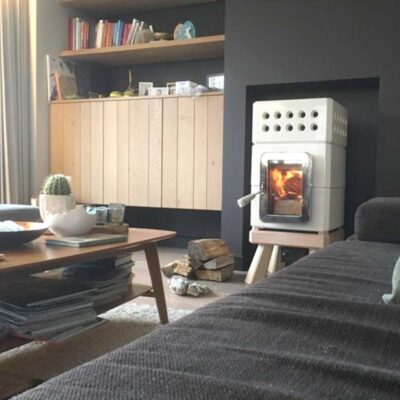
Stack Modular Wood Stoves | National Installation by Hot Box ® Stoves
Stack Modular Wood Stoves – National Installation by Hot Box ® Stoves Stack modular wood[Read More...]
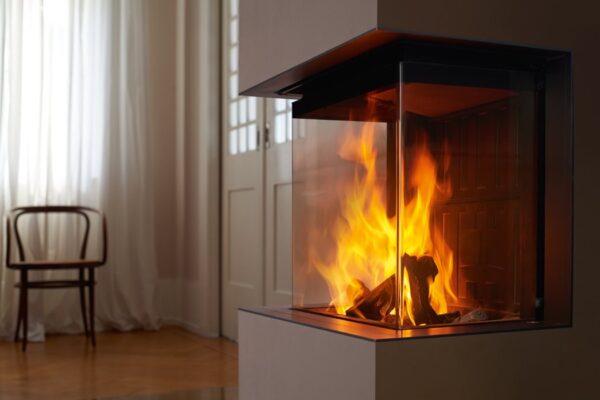
Wood Burner Buying Guide (Winter) | Hot Box ® Stoves Limited
Wood Burner Buying Guide (Winter 2026) | Hot Box ® Stoves Limited Hot Box ®[Read More...]

Spartherm Fireplaces for Modern Homes | Architectural Wood Fires by Hot Box ®
Spartherm are considered by many to be the Mercedes-Benz of wood-burning stoves. High quality components,[Read More...]
Build the Right Package
Need Help Choosing a Stove or Flue Kit?
Tell us which stove you are considering, whether the property has an existing chimney and what type of installation is proposed. Hot Box ® can help you identify the relevant product ranges and technical information before you place an order.
 Stoves
 Bio Ethanol Fires
 Beams
Beams Fireplace Surrounds
 Hearths
 Fireside Services
 Logs For Wood Burner
 Outdoor Living
 Instant Quote
 Contact Hot Box®