


Schiedel Technoflex
Chimney Lining with Schiedel Technoflex Flexible Flue Liner
A Comprehensive Guide
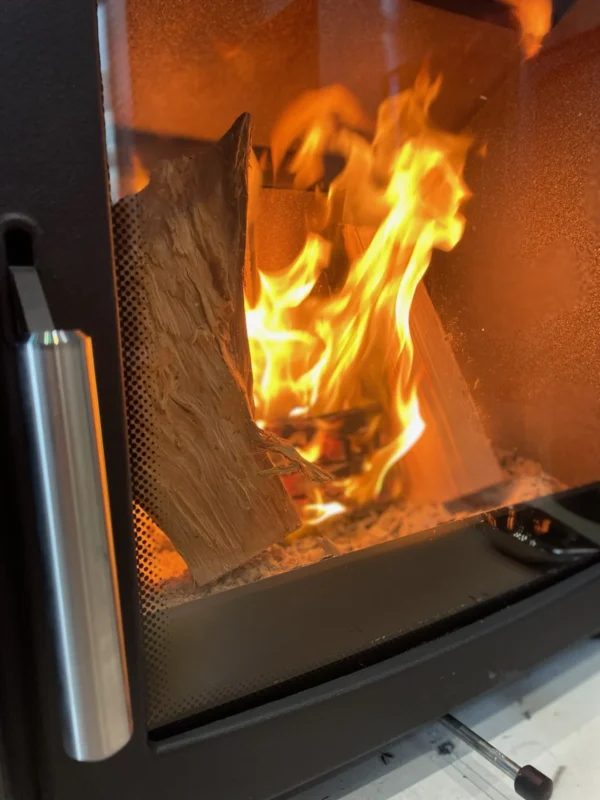
Why Use a Flexible Flue Liner?
Masonry chimneys, especially in older buildings, can develop cracks, leaks, or blockages over time. Without a properly lined chimney, these defects can allow dangerous gases like carbon monoxide to seep into living spaces or lead to creosote buildup, increasing the risk of chimney fires. Lining the chimney with a flexible flue liner enhances safety and improves chimney performance by:
- Ensuring that harmful combustion gases are safely vented out of the house
- Improving the efficiency of wood-burning stoves and other heating appliances
- Reducing the risk of creosote buildup in wood-fuel systems
- Preventing condensation inside the chimney, which can lead to structural damage
Schiedel Technoflex Flexible Flue Liner
The Schiedel Technoflex Flexible Flue Liner is one of the most advanced and reliable solutions for chimney lining on the market. Its key features include:
- Double-skin, twin-wall construction: The liner is made from high-quality stainless steel (316L or 904L grade), providing excellent corrosion resistance and durability.
- Flexibility: Its flexible design makes it ideal for navigating bends and curves in older masonry chimneys.
- Suitability for multiple fuels: It can be used with wood, coal, oil, and gas appliances, making it versatile for various types of installations.
- CE-certified: The liner complies with European safety and performance standards, ensuring reliability and safety.
Tools and Materials Needed
Before starting the installation, gather the necessary tools and materials:
- Schiedel Technoflex flexible flue liner (sized appropriately for your appliance)
- Top plate and clamp (for securing the liner at the chimney pot)
- Stove adapter (to connect the liner to the appliance)
- Chimney cowl (to prevent rain and debris from entering the chimney)
- Insulation material (optional, for improved efficiency)
- Power drill and masonry bits
- Measuring tape
- Ladder and safety gear (for roof access)
Services
Chimney lining at Hot Box ®

01. Turnkey installation
Our wood burning stove installation services are tailored to meet the requirements of each and every customer. We can provide a range of exceptional wood burning appliances and only use the very best component parts for all of our installations.
Read More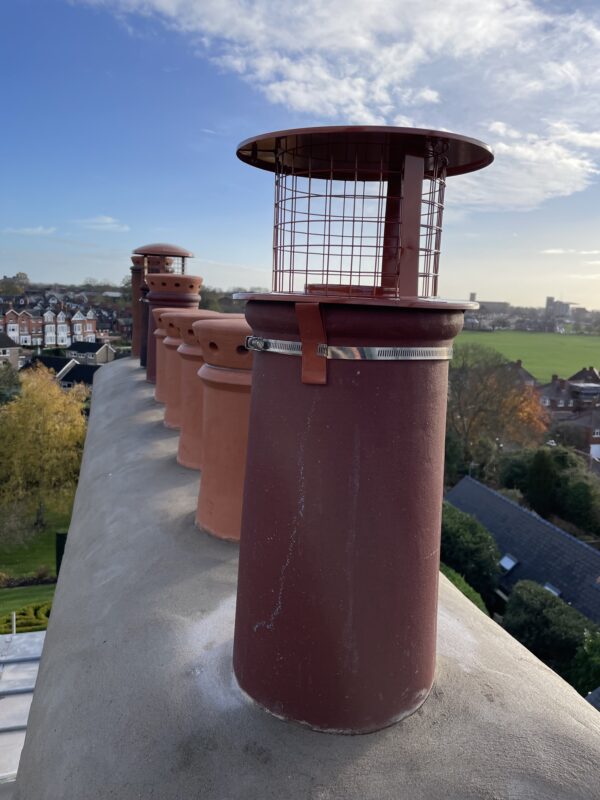
02. Our Expert Staff
Our staff are all fully employed by us, we believe in training and proper working practices across all that we do. All installations are carried out by HETAS registered engineers.
Read More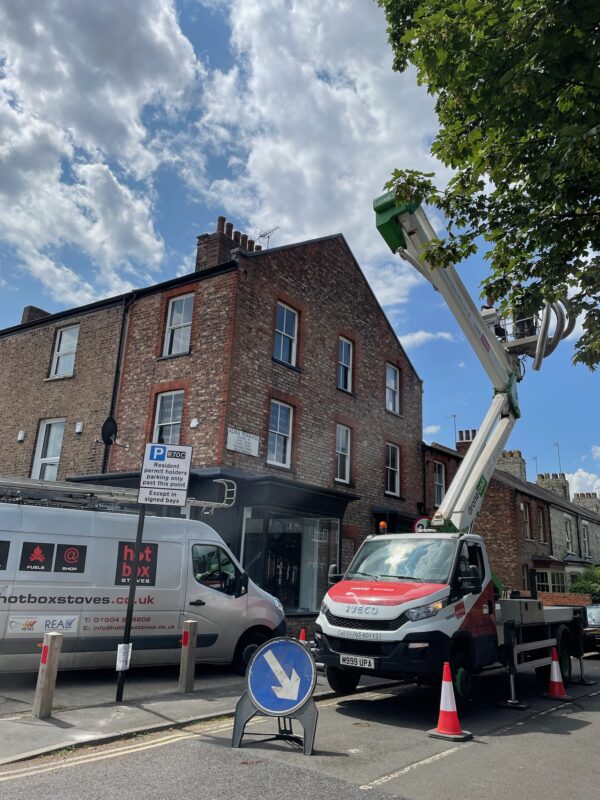
03. Safety at height
Working at height is one of the biggest causes of fatalities in our industry. At Hot Box ®, we do not take unnecessary risks and carefully assess each project before sending out a quotation.
Read MoreStep-by-Step Installation Process
Step 1: Inspection and Preparation
Inspect the chimney: Before installing the liner, check the chimney for structural damage, obstructions, or debris. It is important that the chimney is clean and clear of any blockages to ensure proper liner installation. This can be done by way of a core ball test.
Determine the liner size: Measure the length of the chimney and determine the correct diameter of the flue liner based on the specifications of your stove or heating appliance. Schiedel Technoflex liners come in a range of diameters, so it’s essential to choose the right one for optimal performance. Measuring the liner is carried out by dropping a weighted rope down the flue and then establishing the length of the flue. Further, you should always add a small contingency, a slightly longer liner can be cut down, a short liner is wasted.
Step 2: Unpack and Prepare the Liner
Unroll the liner: Carefully unpack and unroll the Schiedel Technoflex liner. Remember that the liner has a directional flow, indicated by arrows printed on the liner. The arrows should always point upwards toward the top of the chimney when installing the liner. The arrows suggest the direction of flue gasses up the flue. An incorrectly installed liner can cause problems later down the line.
Attach components: Attach the stove adapter to the end of the liner that will connect to the appliance. If insulation is required, wrap the liner with insulation material before lowering it into the chimney.
Step 3: Lower the Liner into the Chimney
Access the chimney top: Safely climb onto the roof using a ladder and proper safety equipment. At Hot Box ®, we work in a fully compliant fashion and in accordance with The Working at Height Regulations. The risks associated will be assessed in context at point of survey. A decision will be made as to whether access is safe by using ladders, or if a cherry picker or access scaffold is needed. For more information about working at height, please see the following guidance from The HSE.
Lower the liner: Begin lowering the flexible liner into the chimney from the top, ensuring that it follows the bends and curves of the chimney. An assistant inside the house can help guide the liner through the fireplace opening or appliance connection point. This is done by attaching a nose cone to the liner and dropping a rope in advance of the liner so that the HETAS engineer on the ground is able to pull the liner into the room where the wood burner is to be installed.
Secure the liner: Once the liner reaches the bottom, secure it to the stove adapter, ensuring a tight, sealed connection. Use high temperature sealant and in the case of Schiedel components, screw to appliance connector securely to the liner.
Step 4: Secure the Liner at the Chimney Top
Install the top plate and clamp: At the top of the chimney, secure the liner using the top plate and clamp. This helps keep the liner in place and provides a solid base for installing the chimney cowl.
Fit the chimney cowl: Fit the cowl onto the top of the chimney. This prevents rain, debris, and animals from entering the flue while also improving ventilation and preventing downdrafts.
Screw fit cowls: Alternatively, you can use a screw fit pot hanging cowl which eliminates the need the remove the chimney pot and install a top plate, clamp and insert sleeve.
Step 5: Connect the Appliance
Connect the stove or heating appliance: Inside the house, connect the stove or fireplace to the flue liner using the stove adapter. Ensure that all connections are tight and sealed to prevent leaks.
Test the system: Light a small fire or turn on the appliance to ensure proper draw through the chimney. Check for any leaks, and make adjustments if necessary. We like to test by lighting a fire using our very own patented fire starter.
Testing your wood burner and flexible flue liner
Crucially, after you have fitted a wood burner and connected a flexible flue liner it is advisable to test its operation.
Without question, the best way to test a wood burner is by lighting a small fire to generate heat up the liner and create an updraught.
When the air inside a flue liner is warmed by the heat from fire, it becomes lighter than the cold external air. This updraugth will then pull frehs combustion air in from the air supply to the appliance, whether directly connected externally or from the room.
How to test a wood burner for the first time
The best way to test a wood burner for the first time is using Hot Box ® Firestarter.
Once you have started your wood burner and flue system for the first time, you should expct a few things to happen.
Dont be alarmed by the smell!
As the appliance and flexible flue liner heats up, the paint will start to sure, and any surface chemicals on the liner will start to evaporate.
This will create a smell and may even produce a haze in your room.
Open doors and windws to allow a through flow of air and add logs to the fire.
You may need to light your wood burner a few times for the paint to cure completely.
This is not an issue with your stove, but just a part of the initial process.
Troubleshooting
If you experience any problems, then there may be a simple explanation.
External air temperature and atmospheric pressure can play a key role in how your flue performs. Further, factors such as the length of the flue, the prosimity of trees and building, can all impact the operation of a flue.
However, generating heat and draw by using Hot Box ® Firestarter should quickly clear any cold air inside the flue and smoke should be evacuated from the fire box of the appliance.
Should you experience any issues, you may need to consider an alternative terminal or chimney cowl to mitigate downdraught or your appliance may require more combustion air via a direct air connection or a ventilation point in the room from a suspended floor or external wall.
Should problems persist, you may want to consult a HETAS registered expert to check the appliance and flue system and ensure it is correctly connected, safe and fit for purpose.

Our Services
Commercial Services
At Hot Box ® we can provide both residential and commercial chimney lining services. We are able to provide sufficient capacity to undertake a range of work across a wide geographical area, Further, our growing network of franchisees means that we can cover even more of the UK than ever before, including Scotland.
We can provide a range of services for commercial fireplace and wood burner installations including high level access, repairs, maintenance and compliance. Our teams are HETAS registered and highly experienced in all aspects of solid fuel installations.
Our teams can offer reactive and scheduled maintenance and offer certificates of compliance for both chimney sweeping and full installation services.
Call Us Anytime
01904 289202
Email direct
sales@hotboxstoves.co.uk
Testimonials
Client feedback
Brilliant Experience
Brilliant experience with this company – from start to finish excellent communication and service. From the initial enquiry about whether they could fit a log burner in an Edwardian fireplace (without ruining the original tiles) – to having it fitted – everything went like clockwork. Any queries were answered within the hour. Just so pleased with the service – recommend them highly. You can see the results in the photographs
Jane Keeling (Google)
Professional and efficient
We wanted a Victorian fireplace wood burning stove that fitted within the existing mantle piece and cast surround. We contacted Hot Box and viewed the hobbit se which was eco friendly and dual fuel. The work was completed by Chris and Lewis in two days. They were professional and efficient and ensured all furnishings were covered. They took all the rubbish away and did a fantastic job. We were so impressed that we had two fitted. We would highly recommend Hot Box and the service provided.
Joe Gibson (Google)
Efficiency and quality
Excellent service. The team did a fantastic job of fitting our stove and we are very impressed with the efficiency and workmanship from start to finish. Would thoroughly recommend
Chris Hirst (Google)
Blog
Latest news
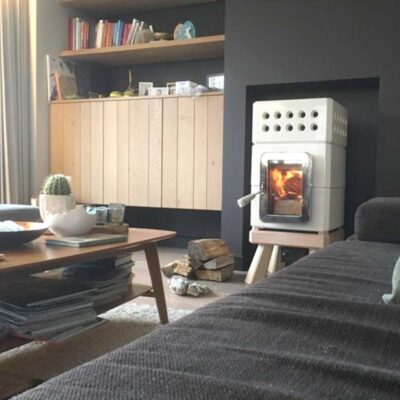
Stack Modular Wood Stoves | National Installation by Hot Box ® Stoves
Stack Modular Wood Stoves – National Installation by Hot Box ® Stoves Stack modular wood[Read More...]
Read more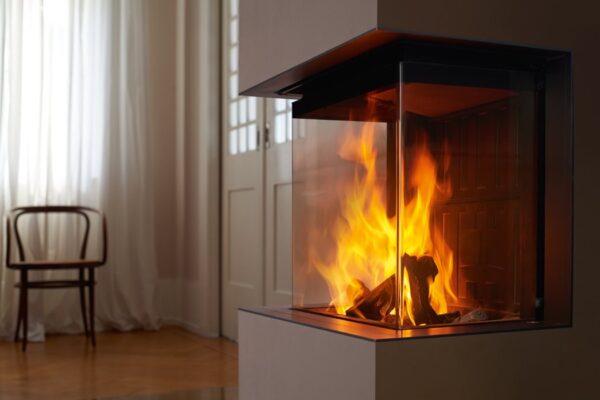
Wood Burner Buying Guide (Winter) | Hot Box ® Stoves Limited
Wood Burner Buying Guide (Winter 2026) | Hot Box ® Stoves Limited Hot Box ®[Read More...]
Read more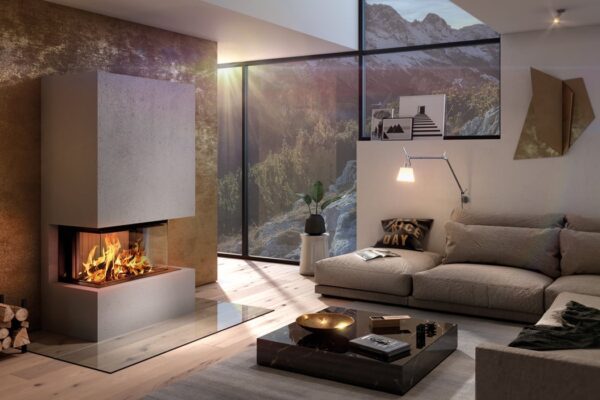
Spartherm Fireplaces for Modern Homes | Architectural Wood Fires by Hot Box ®
Spartherm are considered by many to be the Mercedes-Benz of wood-burning stoves. High quality components,[Read More...]
Read more
Ultimate Guide to Roof Penetrations & Flashings for Log Burner Flues
A definitive guide to planning, sizing, and installing roof penetrations and flashings for log-burner flues—materials,[Read More...]
Read more
The Ultimate Guide to Charnwood Stoves | Buy & Install with Hot Box ®
Thinking about investing in a Charnwood stove? Our Ultimate Guide covers everything you need to[Read More...]
Read more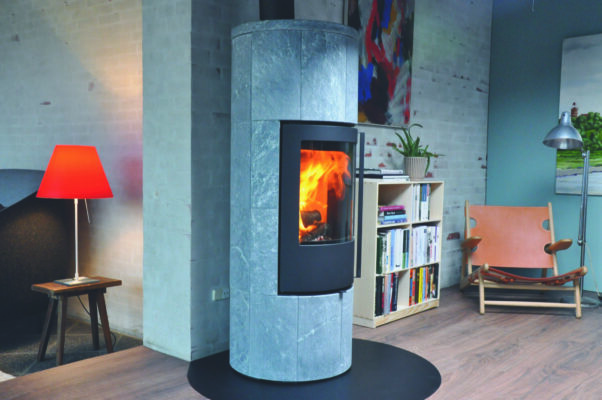
Stove Buyer’s Checklist (Winter Edition)
A concise winter buyer’s checklist covering stove sizing, flue routes, Smoke Control, airtight home advice,[Read More...]
Read more Stoves
 Bio Ethanol Fires
 Beams
Beams Fireplace Surrounds
 Hearths
 Fireside Services
 Logs For Wood Burner
 Outdoor Living
 Instant Quote
 Contact Hot Box®