






Explore our carefully selected collection of wood burning stoves from leading British and European manufacturers.
Hot Box ® supplies traditional, contemporary and architectural wood burning stoves for homes throughout the UK. Our collection includes compact stoves for smaller rooms, freestanding Scandinavian designs, cast iron appliances, inset fires and statement models for larger interiors.
Every stove is selected for its design, efficiency, engineering quality and long-term performance. Browse products from respected manufacturers including Charnwood, Jydepejsen, Spartherm, Stûv, Burley, Nordpeis, Morsø, Dovre, Stovax, Hunter and more.
Need help choosing the correct appliance? Consider the required heat output, available fireplace or chimney system, Smoke Control Area requirements, installation clearances and the style of your property before ordering.
Explore our wood burning stove brands and buying advice, or speak to Hot Box ® for product guidance.
Hot Box ® Stove Advice
Choosing a Wood Burning Stove
A wood burning stove can provide efficient room heating, an attractive focal point and a more enjoyable connection with the natural warmth of fire. The correct appliance, however, should be selected around the property, room, chimney and intended use rather than appearance alone.
This guide explains the principal considerations before ordering. For a wider comparison of manufacturers and stove styles, visit our quality wood burning stoves and brand guide.

What Is a Wood Burning Stove?
A wood burning stove is a closed solid-fuel appliance designed primarily to burn seasoned or kiln-dried logs. Unlike an open fireplace, the fire is contained within a controlled combustion chamber, allowing airflow and heat output to be regulated more effectively.
Modern stoves use carefully designed primary, secondary and, in some cases, tertiary air systems to improve combustion and maintain a clearer view of the flames. Many current appliances also meet Ecodesign emissions requirements, while selected models are independently approved for use in Smoke Control Areas.
Wood generally burns most effectively on a shallow bed of ash. The precise firebox arrangement, air controls and operating instructions will vary between manufacturers, so the appliance manual should always be followed.
Which style of wood burning stove should I choose?
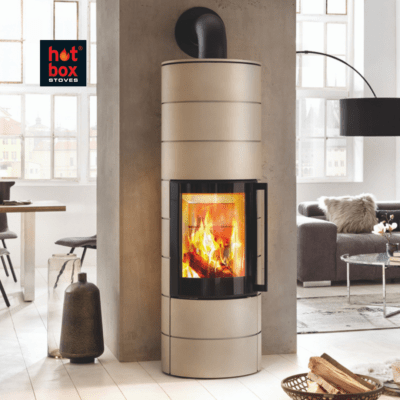
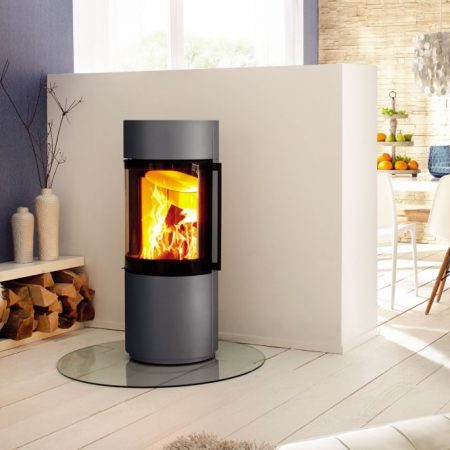
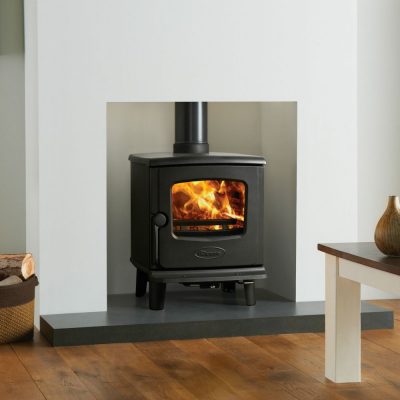
Begin with the property and fireplace setting. Traditional cast iron or steel stoves often suit period cottages and conventional chimney breasts, while cylindrical, pedestal and freestanding Scandinavian designs can work particularly well in contemporary interiors.
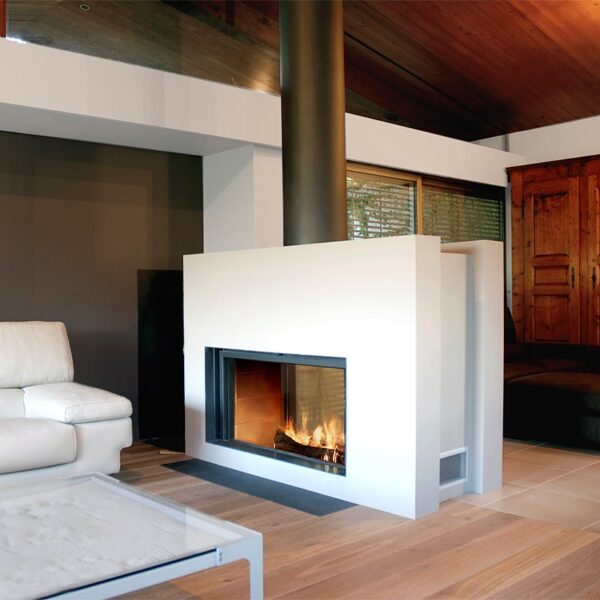
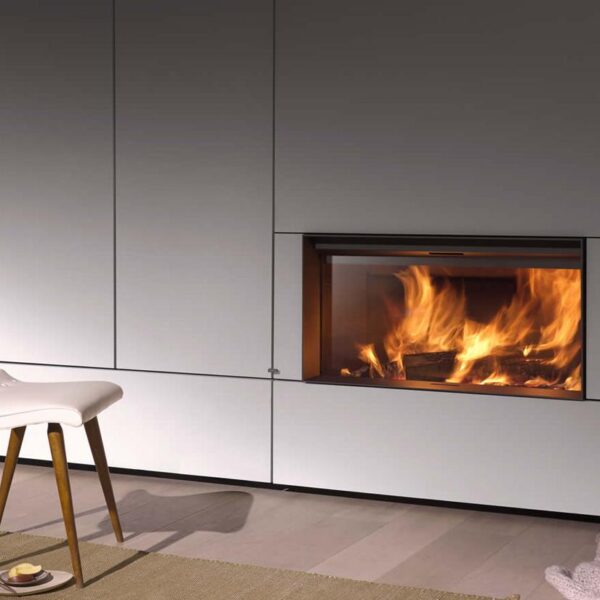
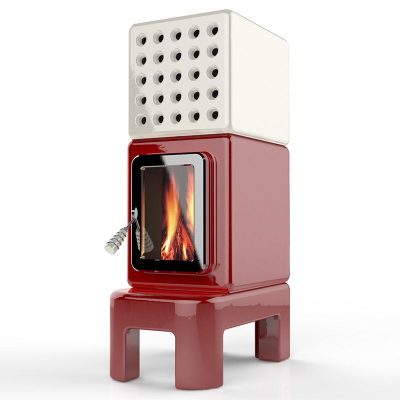
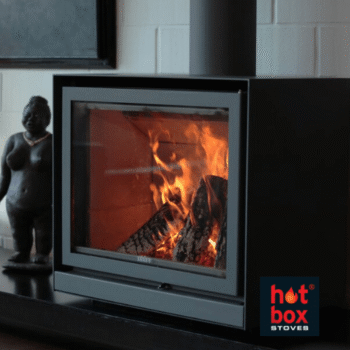
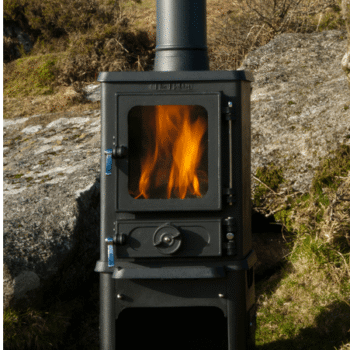
Other options include compact stoves for smaller rooms, inset appliances, double-sided fires, architectural fireplaces and ceramic stoves that provide a very different visual and heating experience.
Explore manufacturers including Charnwood, Jydepejsen, Spartherm, Stûv and Morsø within the wider Hot Box ® collection.
Can I have a stove in a Smoke Control Area?
In many cases, yes. Where a property is within a Smoke Control Area, wood should normally be burned only in an appliance that has been specifically exempted for that purpose, using the appliance in accordance with its approval and operating instructions.
Read our Smoke Control Areas and Ecodesign guide before selecting an appliance.
Do I need an existing chimney?
No. A traditional masonry chimney is not essential. A suitable factory-made insulated twin-wall chimney system can allow a wood burning stove to be installed in properties without an existing chimney, including many extensions and newer homes.
The flue route, terminal position, clearances, ventilation and relationship with the building must be properly designed. Read our guide to flue liners and chimney components or discuss the proposed installation with Hot Box ®.
Can a stove be installed in any room?
Not automatically. The room must provide a safe position for the appliance, suitable hearth protection, compliant distances from combustible materials, adequate ventilation and a viable chimney or flue route.
The proposed location should be assessed before purchasing, particularly where the property has timber construction, limited external wall space, unusual roof geometry or no existing chimney.

Wood Burning Stove Prices
The price of a wood burning stove can vary considerably according to its manufacturer, construction, output, design, approval status and technical features.
The appliance price is only one part of the overall project. Depending on the property, an installation may also require a fireplace chamber, hearth, flexible flue liner, twin-wall chimney, cowl, register plate, ventilation, access equipment and associated building work.
Factors influencing the appliance price include:
- Manufacturer and country of production
- Steel, cast iron or ceramic construction
- Nominal heat output and firebox size
- Freestanding, inset, double-sided or architectural design
- Smoke Control Area exemption and Ecodesign performance
- Direct-air capability and advanced combustion controls
- Finish, colour and optional accessories
- Availability of technical support and replacement components
Browse our current wood burning stove collection and prices. For a more accurate understanding of the complete project, arrange a home stove survey or discuss your requirements with our team.
Discuss Your Stove Project
How to Choose the Right Stove
A good wood burning stove can remain in regular use for many years. It is therefore worth considering the complete installation rather than buying solely on price or appearance.
1. Choose an appropriate heat output
Heat demand depends on room volume, insulation, glazing, air leakage, external exposure and the way adjoining spaces are used. Simple room-volume calculations can provide an initial estimate, but they should not be treated as a substitute for assessing the building.
An oversized stove may make the room uncomfortable and encourage the appliance to be operated at an unsuitable low rate. An undersized stove may struggle to provide the required warmth.
Use our BTU to kW conversion guide as a starting point and seek project-specific advice where necessary.
2. Consider the property and fireplace
Measure the fireplace opening, hearth and available clearances. Confirm whether there is an existing chimney, whether it is suitable for reuse and whether a flexible liner or new twin-wall system may be required.
The stove, fireplace chamber, hearth and flue should be considered together. Explore our fireplace chambers, fireplaces and surrounds and installation components.
3. Check Smoke Control Area requirements
Confirm whether the property is within a Smoke Control Area before ordering. Where applicable, select an appropriately exempt appliance and operate it only with permitted fuel and in accordance with its instructions.
4. Compare construction and heat delivery
Steel stoves generally respond relatively quickly to changes in the fire. Cast iron appliances provide a traditional construction and different heat characteristics, while ceramic stoves can offer increased thermal mass and a more gradual release of warmth.
No single material is automatically best. The correct choice depends on the room, expected operating pattern and preferred appearance.
5. Look beyond headline efficiency
Efficiency is important, but it should be considered alongside flame visibility, controllability, clearances, emissions, fuel length, ease of servicing, noise, direct-air options and the practical availability of replacement parts.
6. Choose a supported manufacturer
Internal firebricks, door rope, glass and other components may require inspection or replacement during the life of the appliance. Choose a recognised manufacturer with dependable UK support, clear technical information and access to replacement parts.
7. Plan the installation before ordering
Do not assume that every stove will fit every fireplace or chimney. Confirm the flue diameter, hearth dimensions, required distances to combustible materials, ventilation provision and appliance position before completing the purchase.
Read our detailed wood burning stove buying guide and stove installation guidance for further information.

Fuel, Use & Maintenance
The way a stove is operated has a significant influence on heat output, emissions, glass cleanliness and the condition of the chimney.
Use dry logs with a moisture content below 20%, stored in a well-ventilated location. Wet wood produces less useful heat and can contribute to increased smoke, deposits and poor combustion.
Read our best wood for log burners guide for advice on timber species, moisture content, seasoning and storage.
The appliance and chimney should be inspected and maintained at appropriate intervals based on use, fuel and manufacturer guidance. Door seals, internal linings, baffles, glass and air controls should also be checked periodically.
For easier fire lighting, discover Hot Box ® Firestarter and read our step-by-step stove lighting guide.
Still Need Help Choosing a Stove?
Tell us about your property, room, fireplace and preferred style. Hot Box ® can help you compare suitable manufacturers, heat outputs, chimney options and installation requirements before you order.
Speak to Hot Box ® Explore Stove BrandsThe Hot Box ® Collection
Explore Leading Wood Burning Stove Brands
Our collection brings together established British manufacturers, Scandinavian design houses and specialist European stove makers selected for engineering, performance, long-term support and individual design character.
British Stove Manufacturers
Charnwood wood burning stoves
Burley wood burning stoves
Hunter stoves
Stovax wood burning stoves
Salamander Hobbit stove
Scandinavian Stove Design
Jydepejsen stoves
Morsø stoves
Nordpeis stoves
Westfire stoves
Dovre stoves
Architectural & European Stoves
Spartherm stoves and fireplaces
Stûv wood burning stoves
Dik Geurts stoves
Stack ceramic stoves
La Castellamonte ceramic stoves
Frequently Asked Questions
Wood Burning Stove Questions Answered
Answers to common questions about stove sizing, chimneys, fuel, installation and purchasing from Hot Box ®.
What size wood burning stove do I need?
The required output depends on room volume, insulation, glazing, air leakage, external exposure and how the surrounding spaces are used. A simple calculation can provide an initial indication, but the building should be considered before an appliance is selected.
Are modern wood burning stoves efficient?
Modern appliances can achieve high levels of efficiency when correctly selected, installed and operated using dry fuel. Actual performance will depend on the appliance, chimney, fuel moisture and user operation.
What is the difference between Ecodesign and DEFRA approval?
Ecodesign relates to emissions and performance requirements applying to appliances placed on the market. DEFRA exemption allows an approved appliance to burn specified fuel within a Smoke Control Area when it is operated in accordance with its exemption conditions. The two terms are related to different requirements.
Can I buy a wood burning stove online?
Yes. Hot Box ® offers a carefully selected collection of stoves available to order online. Before purchasing, confirm the required heat output, chimney arrangement, fireplace dimensions, flue diameter and installation clearances.
Does the stove price include installation?
Unless a product listing specifically states otherwise, the displayed product price normally relates to the appliance only. Installation components, delivery, labour, access equipment and associated building work may be charged separately.
Can Hot Box ® arrange installation?
Hot Box ® can provide surveys, installation advice and project support, with availability depending on location and the nature of the proposed work. Contact our team with the property postcode and outline requirements.
How often should the chimney be swept?
The appropriate frequency depends on fuel, appliance use, chimney condition and professional advice. Chimneys serving regularly used wood burning appliances commonly require sweeping at least annually, and sometimes more frequently where usage is intensive.
What wood should I burn?
Use untreated, properly seasoned or kiln-dried firewood with a moisture content below 20%. Avoid wet wood, painted or treated timber, household waste and materials not approved for use in the appliance.
Do you deliver wood burning stoves throughout the UK?
Hot Box ® provides UK delivery on selected appliances and associated products. Delivery arrangements, access requirements and lead times vary by manufacturer, product size and destination.
 Stoves
 Bio Ethanol Fires
 Beams
Beams Fireplace Surrounds
 Hearths
 Fireside Services
 Logs For Wood Burner
 Outdoor Living
 Instant Quote
 Contact Hot Box®