

Hot Box ® Stoves
Best Wood For Log Burners
Choosing the right firewood for your stove, and lighting it properly with Hot Box ® Firestarter.
Hot Box ® Presents
Firewood School
This page explores the best wood for log burners, how to choose suitable firewood, and how to get the most from your stove once the logs are ready to burn.
Good quality wood fuel is essential for cleaner burning, improved heat output and better long-term performance from your stove. The best wood for log burners should be dry, properly seasoned or kiln dried, correctly stored and suitable for the appliance.
However, choosing the right logs is only one part of the process. One of the most overlooked factors in stove performance is how the fire is started.
A good fire needs heat quickly. The lighting phase should establish a strong flame, warm the stove body and help the flue begin drawing properly. This is where Hot Box ® Firestarter becomes the ideal ignition product for wood burners.
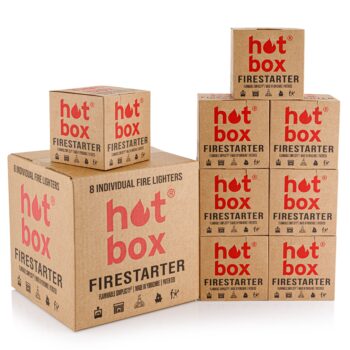
Used with dry, ready-to-burn logs, Hot Box ® Firestarter removes the need for kindling and helps make lighting a wood burning stove simpler, cleaner and more reliable.
More information


Out of stock



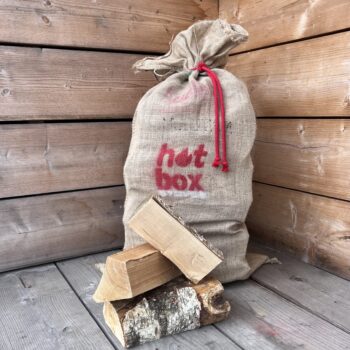


When using a wood burner, selecting the best wood for log burners is crucial for heat output, efficient burning and reducing unnecessary soot or tar deposits within the stove and flue system. The best woods for burning generally fall into two categories: hardwoods and softwoods.
Best Hardwoods For A Wood Burner
Hardwoods are denser and normally burn longer, making them ideal for sustained heat and everyday stove use.
-
Oak
- Description: One of the best woods for log burners. Oak is dense and burns slowly with strong heat output.
- Pros: Long-lasting, steady heat and good overnight burning potential.
- Cons: Requires a long seasoning period and must be properly dried before use.
- Best Use: Long, steady burns.
-
Ash
- Description: A highly regarded firewood that burns steadily and gives dependable heat.
- Pros: Easy to split, reliable and suitable for regular stove use.
- Cons: Still needs to be properly seasoned or kiln dried.
- Best Use: Everyday use with moderate to high heat.
-
Beech
- Description: Dense hardwood with good heat output when correctly dried.
- Pros: Strong heat, good flame and reliable performance.
- Cons: Needs proper seasoning to avoid poor burning or spitting.
- Best Use: High-intensity heating.
-
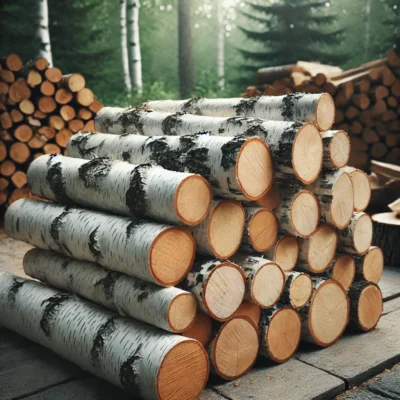
Birch
- Description: Burns quickly and brightly with good flame pattern.
- Pros: Easy to light, attractive flame and useful for quicker heat.
- Cons: Burns faster than denser hardwoods such as oak or beech.
- Best Use: Quick heat and shorter burns.
-
Maple
- Description: Dense hardwood that burns cleanly when properly seasoned.
- Pros: Consistent heat and good coaling properties.
- Cons: Requires drying time before it is suitable for stove use.
- Best Use: Consistent medium heat.
-
Cherry
- Description: Burns at a moderate rate and produces an attractive flame.
- Pros: Pleasant aroma, easy to split and suitable for relaxed fires.
- Cons: Lower heat output than oak, ash or beech.
- Best Use: Casual fires or mixing with denser hardwoods.
Best Softwoods For A Wood Burner
Softwoods ignite quickly and can be useful for starting or building a fire. However, they normally burn faster and provide less sustained heat than hardwoods. In many homes, a mix of suitable dry hardwood and softwood can work well.
-
Pine
- Description: Quick to ignite and burns with a lively flame.
- Pros: Useful for short fires and establishing heat.
- Cons: Can be resinous and should only be used when properly seasoned.
- Best Use: Starting fires or mixing carefully with hardwoods.
-
Douglas Fir
- Description: Burns well when seasoned and gives moderate heat.
- Pros: Easy to split and useful for quick ignition.
- Cons: Burns faster than most hardwoods.
- Best Use: Shorter burns or mixing with hardwoods.
-
Cedar
- Description: Produces a bright flame and pleasant aroma.
- Pros: Good flame and easy ignition.
- Cons: Burns quickly and gives less sustained heat.
- Best Use: Starting fires or creating atmosphere.
-
Spruce
- Description: Burns fast and hot when properly dry.
- Pros: Quick ignition and bright flame.
- Cons: Low burn duration compared with hardwood.
- Best Use: Kindling-style use or occasional short fires.
-
Larch
- Description: A denser softwood that can provide better heat than many lighter softwoods.
- Pros: Moderate heat and useful mixing potential.
- Cons: Can be resinous or smoky if not well seasoned.
- Best Use: Mixing with hardwoods.
Ready To Burn Every Time
Whatever species of log you choose, the most important factor is moisture content. Firewood should be properly split, dried and stored before being used in a stove.
As a general rule, wood fuel should have a moisture content below 20%. This helps the logs burn more efficiently and reduces unnecessary smoke, tar and wasted energy.
The UK fuel market has placed greater emphasis on cleaner wood fuel through the Ready to Burn Scheme, Woodsure and wider HETAS guidance.
The best wood for log burners is therefore not just about species. It is about dryness, storage, preparation and how the fuel is lit.
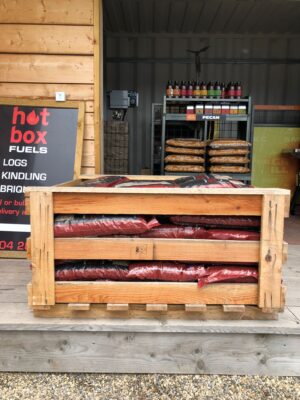
Firewood near me
Clean Burning Wood Fuel
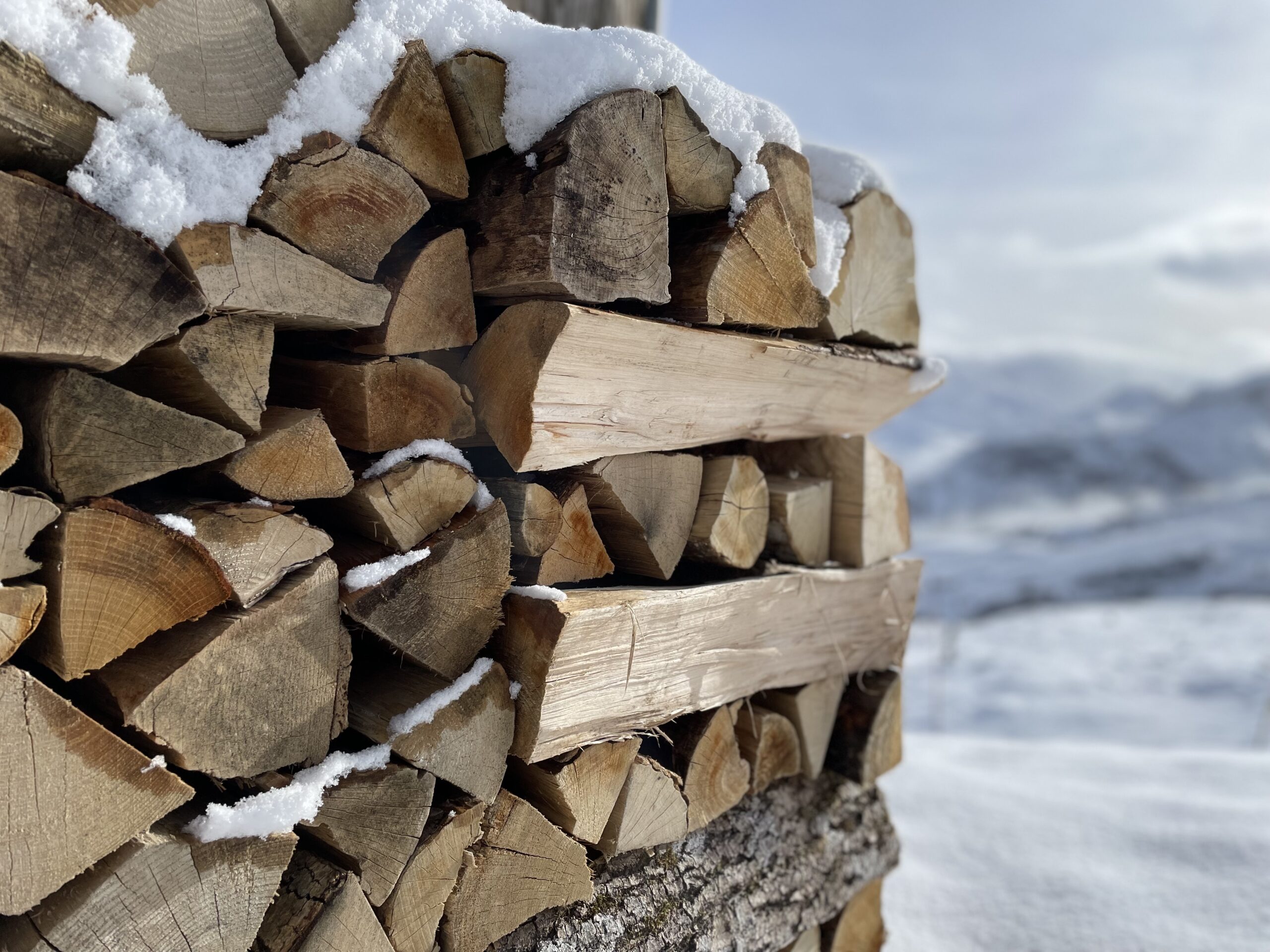
Low moisture content, correctly seasoned, properly stacked and stored.
Prepare For Winter
Get winter ready by stacking your logs ahead of the main burn season.

Proper Lighting Practices
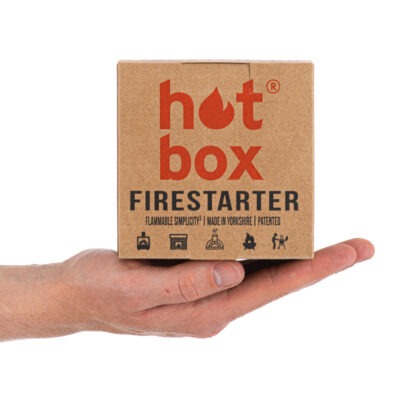
Hot Box ® Firestarter is the patented ignition product for lighting wood burners without kindling.
Splitting, Stacking And Storing Firewood, The Hot Box ® Way
Splitting, stacking and storing firewood is essential if you want it to burn efficiently and safely. Even the best wood for log burners can perform badly if it is stored incorrectly or used before it has dried sufficiently.
Splitting Firewood
Splitting firewood breaks larger logs into smaller pieces, increasing surface area and helping the wood dry more effectively.
Tools Needed
- Manual tools: Axe, maul, splitting wedge and sledgehammer.
- Mechanical tools: Hydraulic log splitter or powered wood splitter for larger volumes.
Steps
- Choose suitable logs: Select hardwoods such as oak, ash, beech or maple where longer burn times are required.
- Work safely: Wear gloves, boots and eye protection, and keep the working area clear.
- Use a stable chopping block: Position each log securely before striking.
- Split along natural cracks: Aim for visible weaknesses or start from the edges of difficult logs.
- Use a splitter for larger logs: A hydraulic splitter can save time and effort when processing larger volumes.
Stacking Firewood
Stacking helps firewood dry evenly, prevents rot and allows air to move through the pile.
Steps
- Choose a sunny, breezy location: Avoid low areas where water collects.
- Raise the base: Use pallets, bricks or treated timber to keep logs off the ground.
- Stack neatly: Keep the pile stable and avoid over-tight packing.
- Leave air gaps: Airflow is essential for drying.
- Cover the top only: Protect from rain while leaving the sides open for ventilation.
Storing Firewood
Proper storage keeps the wood dry and ready for use when the colder weather arrives. Preparing your firewood during the summer months can make the winter burning season much easier.
Steps
- Season the firewood: Newly split wood contains moisture and should be left to dry before use.
- Check moisture content: Use a moisture meter where possible. Ideal firewood should be below 20% moisture.
- Keep it elevated: Do not allow logs to sit directly on wet ground.
- Protect from weather: Use a log store, lean-to or suitable cover, while maintaining airflow.
- Avoid sealing the stack: Wrapping wood tightly in plastic traps moisture.
- Rotate your stock: Use older, drier logs first.
Additional Tips
- Split early: Split logs shortly after cutting to help them dry faster.
- Measure your supply: Make sure you have enough storage space for the burn season.
- Store away from the house: This helps reduce pest and damp issues.
- Bring logs indoors gradually: Keep a small supply close to the stove, but store the bulk of your firewood outside in a suitable log store.
By following these steps, you will have a reliable, well-dried firewood supply that burns efficiently and safely.
The ultimate firestarter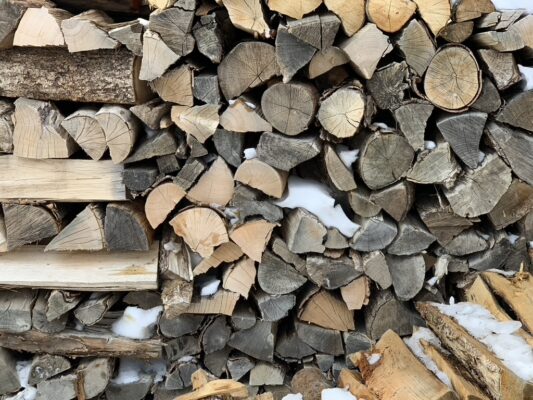



Hot Box ® Firestarter
The Best Ignition Product For Wood Burners
Once you have chosen the best wood for your log burner, the next step is lighting it properly.
Hot Box ® Firestarter has been developed to make lighting a wood burning stove simple, reliable and effective. It is designed to remove the need for kindling, paper or messy accelerants, helping you establish a strong flame quickly using suitable dry logs.
The ignition phase matters. A slow, weak start can leave the stove struggling, the flue cold and the firebox smoky. A stronger start helps the appliance reach a cleaner, more stable burn more quickly.
For best results, use Hot Box ® Firestarter with dry, ready-to-burn logs with a moisture content below 20%.
How To Use Hot Box ® Firestarter
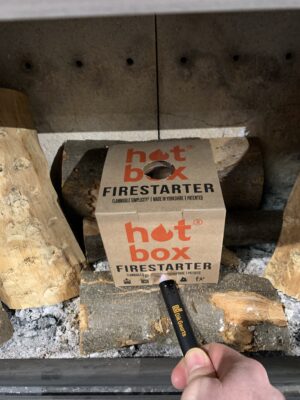
- Open the stove air controls ready for lighting.
- Place the Hot Box ® Firestarter in the firebox.
- Add suitable dry logs around the Firestarter, leaving space for airflow.
- Light the Firestarter and allow the flame to establish.
- Adjust the stove controls once the fire is burning properly.

Better Logs. Better Lighting. Better Fires.
The best wood for log burners should be dry, well stored and ready to burn. Hot Box ® Firestarter completes the process by giving you a simple and effective way to light that fuel.
Use it for wood burning stoves, fireplaces, BBQs, fire pits, chimineas and pizza ovens.
Visit Hot Box ® Firestarter194 Fulford Road, York, North Yorkshire
YO10 4DD, United Kingdom
Stack Modular Wood Stoves | National Installation by Hot Box ® Stoves
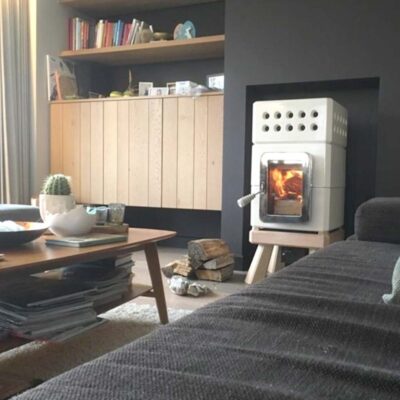
Stack Modular Wood Stoves – National Installation by Hot Box ® Stoves Stack modular wood[Read More...]
Wood Burner Buying Guide (Winter) | Hot Box ® Stoves Limited
Wood Burner Buying Guide (Winter 2026) | Hot Box ® Stoves Limited Hot Box ®[Read More...]
Spartherm Fireplaces for Modern Homes | Architectural Wood Fires by Hot Box ®
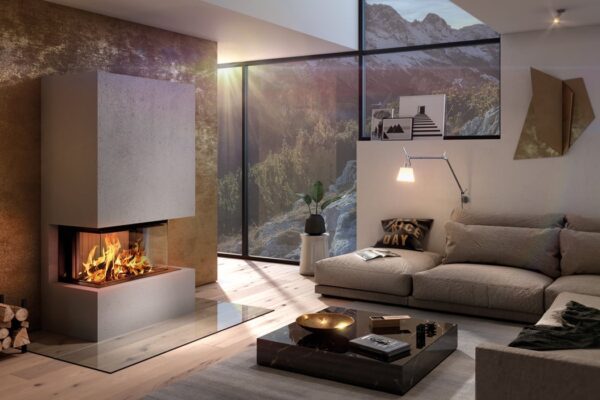
Spartherm are considered by many to be the Mercedes-Benz of wood-burning stoves. High quality components,[Read More...]
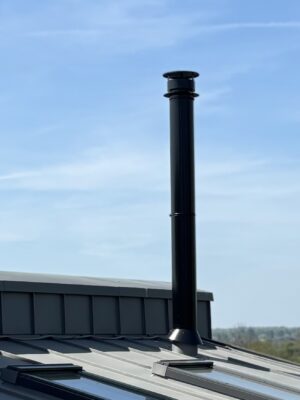
Ultimate Guide to Roof Penetrations & Flashings for Log Burner Flues
A definitive guide to planning, sizing, and installing roof penetrations and flashings for log-burner flues—materials,[Read More...]

The Ultimate Guide to Charnwood Stoves | Buy & Install with Hot Box ®
Thinking about investing in a Charnwood stove? Our Ultimate Guide covers everything you need to[Read More...]
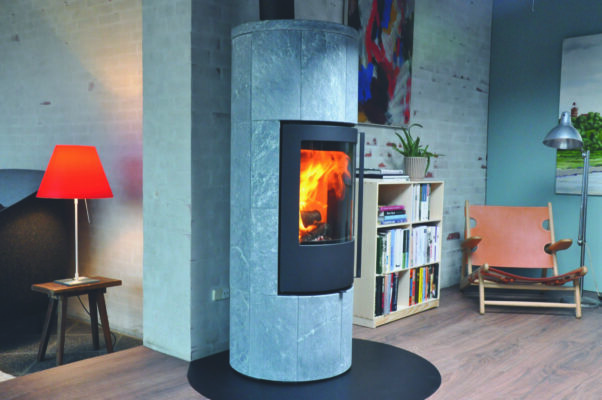
Stove Buyer’s Checklist (Winter Edition)
A concise winter buyer’s checklist covering stove sizing, flue routes, Smoke Control, airtight home advice,[Read More...]
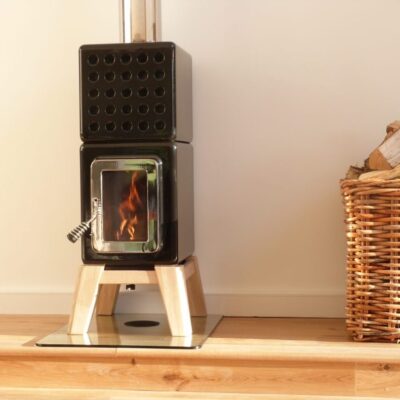
Lighting a Wood Burner: Step-by-Step Guide
Perfect your winter lighting routine—fuel prep, clean ignition with Firestarter, cold-flue tricks and air-control tips[Read More...]
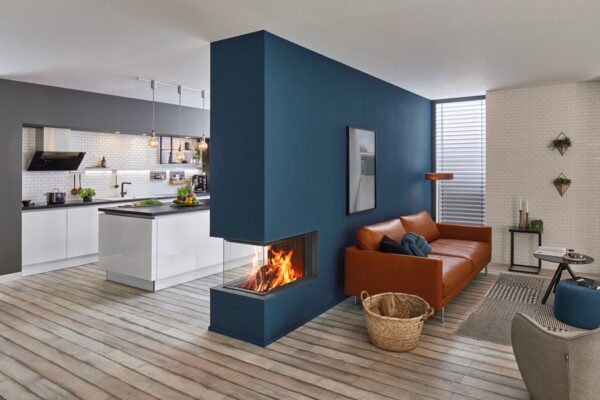
Smoke Control Areas & Ecodesign Guide (UK)
Smoke Control Areas & Ecodesign: A Simple Winter Guide (UK) | Hot Box ® Blog[Read More...]
 Stoves
 Bio Ethanol Fires
 Beams
 Fireplace Surrounds
 Hearths
 Fireside Services
 Logs For Wood Burner
 Outdoor Living
 Instant Quote
 Contact Hot Box®