which wood
Hot Box ® Stoves

Which Logs | A guide to firewood

Shop wood burners
Hot Box ® presents

Which wood is good

Choosing the right firewood is essential for efficient heating, stove safety, and environmental sustainability. Whether seasoned naturally or kiln-dried, logs with a moisture content of 20% or less are the gold standard for domestic wood burners. With certifications like Woodsure’s Ready to Burn scheme and new government regulations, it’s easier than ever for homeowners to access high-quality, eco-friendly wood fuel.

By following proper firewood preparation and storage practices, and prioritizing sustainably sourced logs, you can enjoy the warmth and ambiance of your wood burner while minimizing your environmental impact. Next time you ask, “Which logs should I burn?” the answer is clear: choose dry, certified, and responsibly sourced firewood for the best results.


Wood Fuels

Which Logs are Best for Burning? A Comprehensive Guide to Firewood

Preparation and Sustainability

Burning wood for heat is a timeless practice, but not all firewood is created equal. The quality of logs you burn plays a critical role in heat efficiency, stove longevity, and environmental impact. This article dives into the essential steps for preparing firewood—from felling to seasoning—and highlights the importance of burning wood with a moisture content below 20%. We’ll also explore the role of Woodsure, the UK’s trusted quality assurance scheme, and recent government initiatives to promote sustainable wood burning.

Which Logs are Best for Burning?

The best firewood comes from hardwood species like oak, ash, and beech, which burn slowly and produce consistent heat. Softwoods such as pine and spruce can also be used, but they burn faster and may leave more residue. Regardless of the type of wood, properly seasoned or kiln-dried logs with a moisture content of 20% or less are essential for optimal burning.


Which Logs are Best for Burning? A Comprehensive Guide to Firewood Preparation and Sustainability
Burning wood for heat is a timeless practice, but not all firewood is created equal. The quality of logs you burn plays a critical role in heat efficiency, stove longevity, and environmental impact. This article dives into the essential steps for preparing firewood—from felling to seasoning—and highlights the importance of burning wood with a moisture content below 20%. We’ll also explore the role of Woodsure, the UK’s trusted quality assurance scheme, and recent government initiatives to promote sustainable wood burning.


Which Logs are Best for Burning?

The best firewood comes from hardwood species like oak, ash, and beech, which burn slowly and produce consistent heat. Softwoods such as pine and spruce can also be used, but they burn faster and may leave more residue. Regardless of the type of wood, properly seasoned or kiln-dried logs with a moisture content of 20% or less are essential for optimal burning.


The Firewood Preparation Process

1. Felling

  • Timing: Trees are typically felled during late autumn or winter when sap levels are lower, reducing initial moisture content.
  • Tools: Chainsaws are commonly used for felling, but safety and professional expertise are crucial to ensure proper cutting and avoid accidents.
  • Environmental Considerations: Responsible forestry practices are vital to ensure a sustainable supply. This includes planting new trees to replace those harvested.

2. Chopping and Splitting

  • Chopping: Once felled, the tree is cut into manageable logs. The size of the logs depends on the intended use, typically 25-30 cm for most wood burners.
  • Splitting: Logs are split along the grain to accelerate the drying process. Split wood has a larger surface area, allowing moisture to escape more easily. Splitting can be done manually with an axe or with a log splitter for larger volumes.

3. Seasoning

  • What is Seasoning? The natural drying of logs over time to reduce moisture content.
  • Process: Logs are stacked in a well-ventilated, covered area to protect them from rain while allowing air circulation. This process takes 6-18 months, depending on the wood type and local climate.
  • Testing Moisture Content: Use a moisture meter to check that logs have dried to 20% or less, ensuring they are ready to burn efficiently.

4. Kiln Drying

  • What is Kiln Drying? A controlled process where logs are dried in industrial kilns using heat to accelerate moisture removal.
  • Advantages: Kiln drying can produce ready-to-burn logs in just a few days, compared to months of seasoning. It also kills any pests or fungi present in the wood.
  • Moisture Content: Kiln-dried logs reliably meet the 20% or less moisture standard, making them an excellent choice for immediate use.

Why Moisture Content Matters

Burning wood with a moisture content above 20%—commonly referred to as “green” or unseasoned wood—is inefficient and harmful:

  • Heat Output: High-moisture wood uses much of its energy to evaporate water, reducing heat production.
  • Creosote Build-Up: Moist wood releases more smoke and tar, leading to creosote deposits in chimneys, which can increase the risk of chimney fires.
  • Environmental Impact: Wet wood emits higher levels of pollutants, including particulate matter, which can harm air quality.

By using well-seasoned or kiln-dried logs, you ensure clean and efficient burning, reducing your carbon footprint and enhancing your heating experience.

Which Logs are Best for Burning? A Comprehensive Guide to Firewood Preparation and Sustainability

Burning wood for heat is a timeless practice, but not all firewood is created equal. The quality of logs you burn plays a critical role in heat efficiency, stove longevity, and environmental impact. This article dives into the essential steps for preparing firewood—from felling to seasoning—and highlights the importance of burning wood with a moisture content below 20%. We’ll also explore the role of Woodsure, the UK’s trusted quality assurance scheme, and recent government initiatives to promote sustainable wood burning.

Which Logs are Best for Burning?

The best firewood comes from hardwood species like oak, ash, and beech, which burn slowly and produce consistent heat. Softwoods such as pine and spruce can also be used, but they burn faster and may leave more residue. Regardless of the type of wood, properly seasoned or kiln-dried logs with a moisture content of 20% or less are essential for optimal burning.

The Firewood Preparation Process

1. Felling

  • Timing: Trees are typically felled during late autumn or winter when sap levels are lower, reducing initial moisture content.
  • Tools: Chainsaws are commonly used for felling, but safety and professional expertise are crucial to ensure proper cutting and avoid accidents.
  • Environmental Considerations: Responsible forestry practices are vital to ensure a sustainable supply. This includes planting new trees to replace those harvested.

2. Chopping and Splitting

  • Chopping: Once felled, the tree is cut into manageable logs. The size of the logs depends on the intended use, typically 25-30 cm for most wood burners.
  • Splitting: Logs are split along the grain to accelerate the drying process. Split wood has a larger surface area, allowing moisture to escape more easily. Splitting can be done manually with an axe or with a log splitter for larger volumes.

3. Seasoning

  • What is Seasoning? The natural drying of logs over time to reduce moisture content.
  • Process: Logs are stacked in a well-ventilated, covered area to protect them from rain while allowing air circulation. This process takes 6-18 months, depending on the wood type and local climate.
  • Testing Moisture Content: Use a moisture meter to check that logs have dried to 20% or less, ensuring they are ready to burn efficiently.

4. Kiln Drying

  • What is Kiln Drying? A controlled process where logs are dried in industrial kilns using heat to accelerate moisture removal.
  • Advantages: Kiln drying can produce ready-to-burn logs in just a few days, compared to months of seasoning. It also kills any pests or fungi present in the wood.
  • Moisture Content: Kiln-dried logs reliably meet the 20% or less moisture standard, making them an excellent choice for immediate use.

Why Moisture Content Matters

Burning wood with a moisture content above 20%—commonly referred to as “green” or unseasoned wood—is inefficient and harmful:

  • Heat Output: High-moisture wood uses much of its energy to evaporate water, reducing heat production.
  • Creosote Build-Up: Moist wood releases more smoke and tar, leading to creosote deposits in chimneys, which can increase the risk of chimney fires.
  • Environmental Impact: Wet wood emits higher levels of pollutants, including particulate matter, which can harm air quality.

By using well-seasoned or kiln-dried logs, you ensure clean and efficient burning, reducing your carbon footprint and enhancing your heating experience.

Woodsure: Guaranteeing Quality Firewood

Woodsure is the UK’s only certification scheme for firewood and wood fuel quality. Its “Ready to Burn” logo ensures that logs meet strict standards, including a moisture content of 20% or less.

Benefits of Choosing Woodsure-Certified Logs

  • Efficiency: Certified logs burn hotter and longer, saving money on fuel.
  • Safety: Reduced creosote build-up lowers chimney fire risk.
  • Environmental Protection: Cleaner-burning wood reduces emissions, supporting better air quality.

When purchasing firewood, look for the “Ready to Burn” label to guarantee you’re getting the best logs for your wood burner.


read more
Best fire starters for log burners

Compliment your wood

The ultimate fire starter

Jydepejsen stoves UK

Eco design stoves

Efficiency and style

Stuv 16/68 Cube Wood Burning Stove with Log Store

Storage solutions

Store logs for use in advance

Government Initiatives for Sustainable Wood Burning

In recent years, the UK government has introduced measures to improve the environmental impact of domestic wood burning. These initiatives aim to reduce air pollution and promote responsible wood fuel use:

1. Regulations on Wet Wood

  • Sales of wet wood in small volumes have been banned since May 2021, as part of the Clean Air Strategy. Suppliers must now provide wood that meets “Ready to Burn” standards.

2. Stove Standards

  • New wood burners must meet Ecodesign standards, which ensure lower emissions and higher efficiency. If you’re upgrading, look for an Ecodesign stove.

3. Promoting Sustainable Practices

  • The government encourages planting trees and sustainable forestry to offset the environmental impact of wood burning.

4. Public Awareness Campaigns

  • Initiatives educate homeowners about proper wood-burning practices, including the importance of using seasoned or kiln-dried logs and maintaining chimneys.

How to Store Your Firewood

Proper storage is key to maintaining low moisture content:

  1. Location: Store logs in a dry, ventilated area, ideally off the ground to prevent dampness.
  2. Covering: Use a log store with a slanted roof to keep rain off while allowing air circulation. Avoid covering logs completely with tarps, as this can trap moisture.
  3. Rotation: Use older logs first to prevent seasoned wood from reabsorbing moisture over time.

The Role of UK Regulations and Woodsure

The UK government and organizations like Woodsure have introduced measures to address the environmental impact of wood burning:

  • Ecodesign Standards: Mandate that new wood burners meet strict efficiency and emissions standards, reducing pollutants during ignition and throughout the burn.
  • Clean Air Strategy: The ban on wet wood sales in small volumes encourages homeowners to use dry, certified firewood, cutting emissions significantly.
  • Woodsure Certification: Logs labeled “Ready to Burn” ensure the wood is dry and suitable for efficient, low-emission combustion.

Choosing the right firewood is essential for efficient heating, stove safety, and environmental sustainability. Whether seasoned naturally or kiln-dried, logs with a moisture content of 20% or less are the gold standard for domestic wood burners. With certifications like Woodsure’s Ready to Burn scheme and new government regulations, it’s easier than ever for homeowners to access high-quality, eco-friendly wood fuel.

By following proper firewood preparation and storage practices, and prioritizing sustainably sourced logs, you can enjoy the warmth and ambiance of your wood burner while minimizing your environmental impact. Next time you ask, “Which logs should I burn?” the answer is clear: choose dry, certified, and responsibly sourced firewood for the best results.

Best fire lighting practice

The way in which we light our fires is more important than you might think. 

The most emissions from the wood urning process are created during the ignition phase. 

Here is a detailed overview and tips to reduce emissions during this phase. 

Why Does the Ignition Phase Produce the Most Emissions?

Incomplete Combustion

  • During ignition, the fire is still building heat, and the wood hasn’t reached the high temperatures necessary for complete combustion.
  • At this stage, the wood releases volatile organic compounds (VOCs), tars, and particulates, which escape as smoke and pollutants.

Moisture Content

  • If the wood isn’t properly seasoned or kiln-dried (moisture content above 20%), additional energy is required to evaporate water, leading to more smoke and incomplete combustion.

Low Oxygen Supply

  • Fires often smolder during ignition, especially if poorly lit or if airflow to the stove or fireplace is restricted. This low oxygen environment exacerbates incomplete combustion, resulting in more emissions.


Emissions from Burning Wood: The Role of the Ignition Phase

When burning wood, the majority of harmful emissions are generated during the ignition phase, a critical yet often overlooked stage of the fire-starting process. Understanding why this happens and how to minimize emissions during ignition is essential for reducing the environmental impact of domestic wood burning.

Why Does the Ignition Phase Produce the Most Emissions?

Incomplete Combustion

  • During ignition, the fire is still building heat, and the wood hasn’t reached the high temperatures necessary for complete combustion.
  • At this stage, the wood releases volatile organic compounds (VOCs), tars, and particulates, which escape as smoke and pollutants.

Moisture Content

  • If the wood isn’t properly seasoned or kiln-dried (moisture content above 20%), additional energy is required to evaporate water, leading to more smoke and incomplete combustion.

Low Oxygen Supply

  • Fires often smolder during ignition, especially if poorly lit or if airflow to the stove or fireplace is restricted. This low oxygen environment exacerbates incomplete combustion, resulting in more emissions.

Emissions Produced During Ignition

  • Particulate Matter (PM): Fine particles that can penetrate deep into the lungs, posing health risks and contributing to air pollution.
  • Volatile Organic Compounds (VOCs): Organic chemicals released from the wood, which can combine with nitrogen oxides to form ground-level ozone, a pollutant harmful to health and the environment.
  • Carbon Monoxide (CO): A byproduct of incomplete combustion, which is both toxic and environmentally damaging.
  • Polycyclic Aromatic Hydrocarbons (PAHs): Harmful chemicals formed during low-temperature combustion.

Strategies to Reduce Emissions During Ignition

1. Use Properly Seasoned or Kiln-Dried Wood

  • Ensure the moisture content of your firewood is 20% or less. Dry wood ignites faster, burns hotter, and produces fewer pollutants. Look for Woodsure Ready to Burn certification to guarantee quality.

2. Start Fires with the “Top-Down” Method

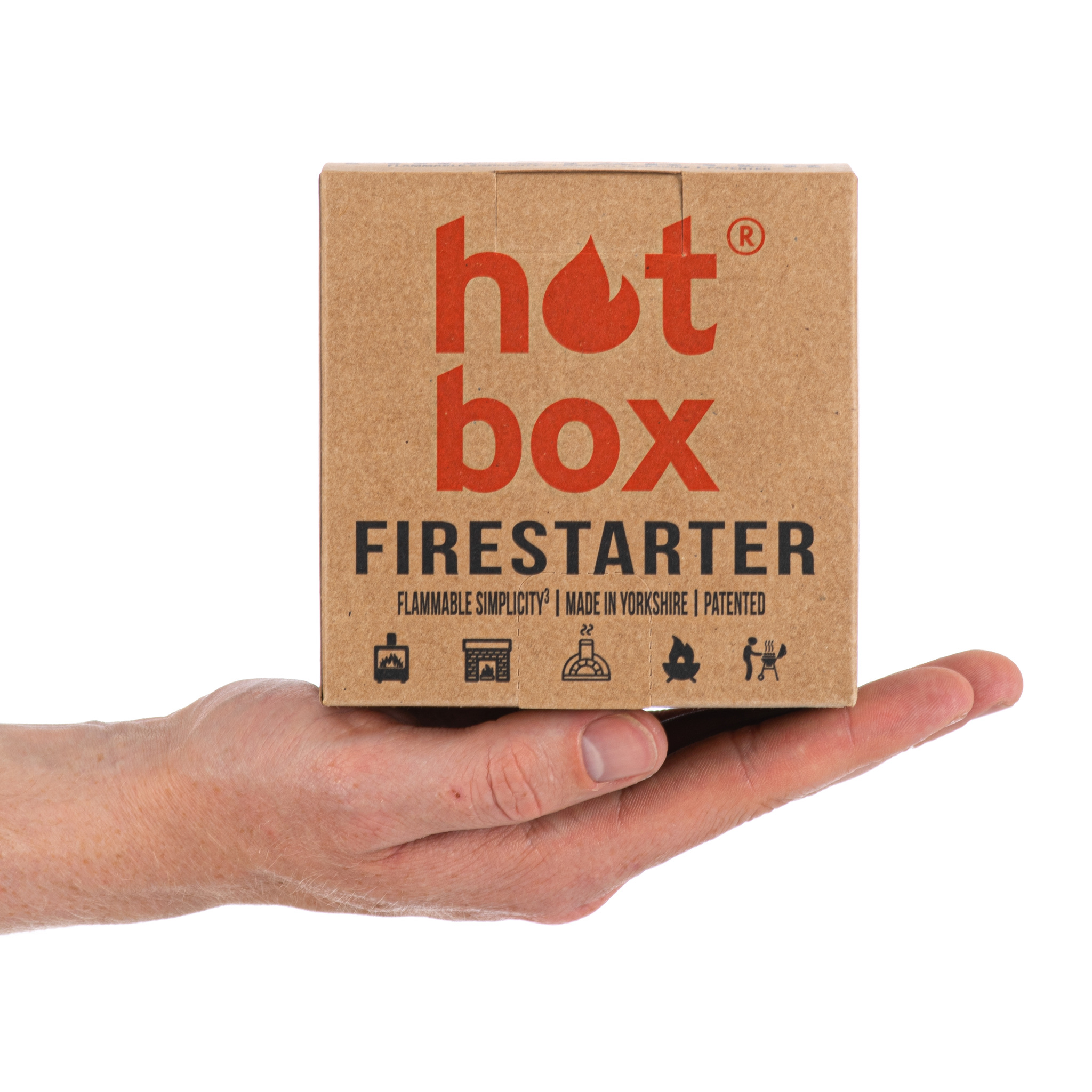
  • Use Hot Box ® Firestarter
  • Instead of lighting kindling beneath larger logs, stack the largest logs at the bottom, place smaller pieces above, and light the fire from the top.
  • This method reduces smoke and emissions by ensuring the fire burns cleanly from the start.

3. Use Firelighters Instead of Paper

  • Avoid using newspaper or other smoky materials to start your fire. Clean-burning firelighters, such as those made from natural wax or compressed sawdust, produce less smoke.

4. Preheat the Chimney or Flue

  • Hot Box ® Firestarter will help with this. 
  • Warming the flue by burning a small amount of kindling first helps establish good airflow and improves combustion efficiency.

5. Ensure Adequate Ventilation

  • A steady supply of oxygen is crucial for clean combustion. Check that air vents in your stove or fireplace are fully open during ignition.

6. Use an Ecodesign Stove

  • Modern Ecodesign stoves are designed to burn wood more efficiently, producing less smoke and emissions during all phases of the burn cycle, including ignition.
Shop the ultimate fire starter
Hot Box ® Stoves

Which wood is good…

Wood burns best on a bed of it’s  own ash with air from the top.

The best wood to burn is seasoned hardwood, such as oak, ash, or birch, with a moisture content of 20% or less.

Properly dried wood burns efficiently, produces high heat output, and emits fewer pollutants compared to wet or unseasoned wood.

Look for kiln-dried logs or those certified with the Woodsure Ready to Burn label to ensure quality.

Hardwood is ideal for long-lasting heat, while softwood can be used for kindling or quicker fires. Always prioritize sustainability by sourcing wood from responsibly managed forests.

Try some briquettes
Hot box stoves - York

194 Fulford Road, York, North Yorkshire
YO10 4DD, United Kingdom

sales@hotboxstoves.co.uk

All rights reserved

Stack Modular Wood Stoves | National Installation by Hot Box ® Stoves

Stack Modular Wood Stoves – National Installation by Hot Box ® Stoves Stack modular wood[Read More...]
Wood Burner Buying Guide (Winter) | Hot Box ® Stoves Limited

Wood Burner Buying Guide (Winter 2026) | Hot Box ® Stoves Limited Hot Box ®[Read More...]

Spartherm Fireplaces for Modern Homes | Architectural Wood Fires by Hot Box ®

Spartherm are considered by many to be the Mercedes-Benz of wood-burning stoves. High quality components,[Read More...]
Ultimate Guide to Roof Penetrations & Flashings for Log Burner Flues

A definitive guide to planning, sizing, and installing roof penetrations and flashings for log-burner flues—materials,[Read More...]

The Ultimate Guide to Charnwood Stoves | Buy & Install with Hot Box ®

Thinking about investing in a Charnwood stove? Our Ultimate Guide covers everything you need to[Read More...]
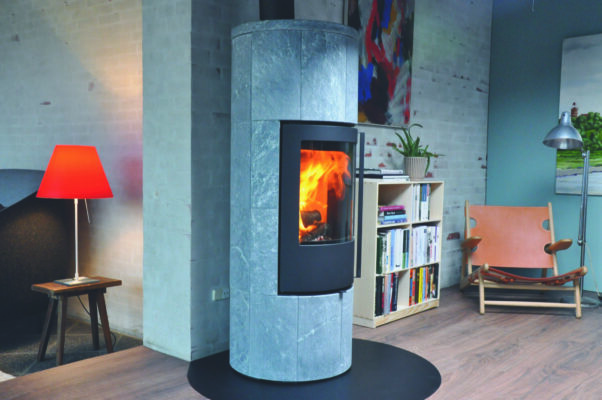
Stove Buyer’s Checklist (Winter Edition)

A concise winter buyer’s checklist covering stove sizing, flue routes, Smoke Control, airtight home advice,[Read More...]
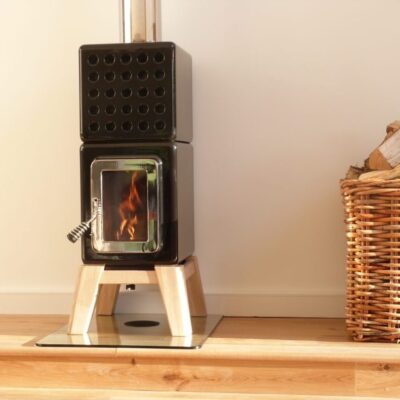
Lighting a Wood Burner: Step-by-Step Guide

Perfect your winter lighting routine—fuel prep, clean ignition with Firestarter, cold-flue tricks and air-control tips[Read More...]

Smoke Control Areas & Ecodesign Guide (UK)

Smoke Control Areas & Ecodesign: A Simple Winter Guide (UK) | Hot Box ® Blog[Read More...]