
Info Posts, Installations
Chimney Cowling | The Ultimate Guide
02
Oct
Oct

Chimney Cowling
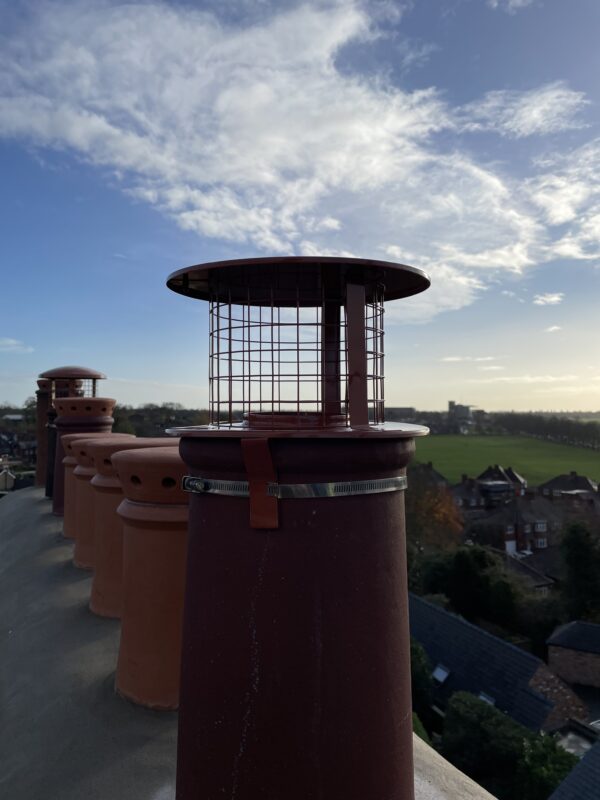
A chimney cowl is a hood-like covering fitted to the top of a chimney. Its primary purpose is to improve draft by preventing wind from blowing smoke and gases back down into the chimney. Chimney cowls also help keep out rain, birds, debris, and pests, ensuring the chimney stays clear and functions efficiently. Some cowls are designed to rotate with the wind, optimizing airflow, while others are static and provide protection. They are often made from materials like stainless steel or terracotta for durability.
There are a range of chimney cowls available, this article aims to explore the most common types and detail where to buy them.
For your flue termination
Cowls
Chimney cowls are an important part of any solid fuel installation. Make sure you choose the right chimney cowling or terminal by reading our ultimate guide.
Hot Box ® have been installing wood burning appliances for over 15 years, and know a thing or two about the right toe of cowl for most chimneys and applications.
Used to prevent water ingress, reduce down draught, minimise bird and rodent entry or help with draw, you need to ensure you have the proper terminal installed.

The Ultimate Guide to Chimney Cowls: Types and Uses for Common Chimneys and Wood Burner Flues
A chimney cowl is a simple but essential accessory for improving the efficiency and safety of your chimney or wood-burning stove. Whether you’re looking to prevent downdrafts, keep out pests, or enhance the performance of your heating system, the right chimney cowl can make a significant difference.
Table of Contents | Chimney Cowling
1. What is a Chimney Cowl?
2. Benefits of Chimney Cowls
3. Types of Chimney Cowls
- Static Cowls
- Rotating Cowls
- Anti-Downdraft Cowls
- Bird Guard Cowls
- Rain Cap Cowls
- Spark Arrestor Cowls
4. Choosing the Right Cowl for Different Types of Chimneys
- Open Fire Chimneys
- Gas Flue Chimneys
- Solid Fuel (Wood Burner) Flues
- Oil Burner Flues
- Pepper pot inserts, redundant flues.
5. How to Install a Chimney Cowl
6. Maintenance and Care
1. What is a Chimney Cowl?
A chimney cowl is a protective covering installed at the top of a chimney or flue. It serves to improve ventilation by optimizing airflow, prevent unwanted elements like rain, animals, and debris from entering, and help in reducing downdrafts. They are typically made from durable materials such as stainless steel, terracotta, or galvanized steel, and come in various designs to meet different needs.
2. Benefits of Chimney Cowling
- Improved Draft: Cowls help manage airflow, ensuring smoke and gases are properly vented.
- Protection from the Elements: Keeps out rain, snow, and wind, which could otherwise cause damage.
- Prevention of Downdrafts: Stops wind from forcing smoke and toxic gases back into your home.
- Blockage Prevention: Prevents birds, leaves, and other debris from clogging the chimney.
- Fire Safety: Some cowls include a spark arrestor, preventing sparks from escaping the chimney and causing fires.
3. Types of Chimney Cowls or chimney cowling
a) Static Cowls
Static cowls are stationary cowls that do not move with the wind but still provide excellent protection against rain, birds, and debris. They are simple and effective for most residential chimneys.
Best for: General use in most chimneys and flues where downdraft is not a major concern.
b) Rotating Cowls
Rotating cowls are equipped with a turbine that spins in response to wind direction, enhancing airflow and preventing downdrafts. As the wind blows, the cowl spins to create a vacuum effect, improving draft.
Best for: Areas prone to downdrafts caused by high winds, such as properties near open fields or coastlines.
c) Anti-Downdraft Cowls
Designed specifically to prevent downdrafts, these cowls use a special aerodynamic shape to block wind from entering the chimney while still allowing gases and smoke to escape.
Best for: Homes in windy areas where downdrafts are a common issue.
d) Bird Guard Cowls
These cowls are fitted with mesh or grills to keep birds and other animals from entering and nesting in the chimney, while still allowing smoke to vent freely.
Best for: Rural or suburban areas where birds or squirrels are likely to enter the chimney.
e) Rain Cap Cowls
Rain cap cowls provide a protective cover that prevents rainwater from entering the chimney, which can damage the structure and reduce its efficiency.
Best for: All chimneys in wet climates to avoid water damage.
f) Spark Arrestor Cowls
These cowls feature fine mesh or grills designed to trap sparks and embers that could escape the chimney, reducing the risk of fires, especially in dry, flammable areas.
Best for: Homes in dry regions or with nearby flammable vegetation.
4. Choosing the Right Cowl for Different Types of Chimneys
a) Open Fire Chimneys
For open fireplaces, cowls need to manage large amounts of smoke and ensure strong drafts to prevent smoke from lingering indoors. Anti-downdraft or rotating cowls work best to handle airflow and wind issues, while a rain cap is crucial for preventing moisture from damaging the chimney.
Recommended Cowls: Anti-downdraft cowls, Rotating cowls, Rain cap cowls.
b) Gas Flue Chimneys
Gas appliances produce less heat and require a flue system that ensures proper ventilation without being obstructed by debris. Static cowls or specialized gas flue cowls are often the safest and most efficient.
Recommended Cowls: Static cowls, Bird guard cowls.
c) Solid Fuel (Wood Burner) Flues
Wood-burning stoves require high-temperature cowls that are durable enough to handle the heat and pressure from the stove. In addition to draft management, spark arrestor cowls are a common choice for added fire safety.
Recommended Cowls: Spark arrestor cowls, Anti-downdraft cowls, Rotating cowls.
d) Oil Burner Flues
Oil burners produce a distinctive, sticky soot that can accumulate in chimneys. An easy-to-clean cowl is recommended, and it should be resistant to corrosion from acidic residues in the smoke.
Recommended Cowls: Static cowls, Anti-downdraft cowls.
5. How to Install a Chimney Cowl
Installing a chimney cowl can often be done as a DIY project, but it’s recommended to consult with a professional if you’re unsure, find a local installer here. Here are the basic steps:
- Ensure Safety: Use a stable ladder and proper safety gear when accessing the roof.
- Measure the Chimney: Make sure you have the right size cowl for your chimney or flue.
- Remove Any Obstructions: Clear the chimney of any debris or old cowls.
- Attach the Cowl: Secure the cowl according to the manufacturer’s instructions, ensuring it’s properly fixed and stable.
- Check for Draft: After installation, check the chimney draft to ensure it’s working properly.
6. Maintenance and Care
To keep your chimney cowl functioning properly, regular maintenance is essential. Here’s how to maintain your cowl:
- Clean Regularly: Clear any soot, debris, or bird nests that may have accumulated on or around the cowl.
- Inspect Annually: Check for damage, rust, or corrosion, and ensure the cowl is securely attached.
- Replace When Needed: Cowls can wear out over time. If you notice significant wear or damage, it’s important to replace it to maintain optimal chimney performance.
Conclusion
Choosing the right chimney cowl can significantly enhance the efficiency, safety, and longevity of your chimney or wood burner flue. By selecting the appropriate type based on your specific chimney, environment, and fuel type, you can protect your home from downdrafts, rain, pests, and fire hazards. Regular maintenance and proper installation will ensure that your chimney and cowl work together for optimal performance.
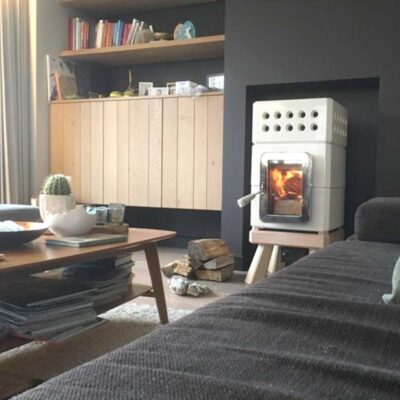
Stack Modular Wood Stoves | National Installation by Hot Box ® Stoves
Stack Modular Wood Stoves – National Installation by Hot Box ® Stoves Stack modular wood[Read More...]
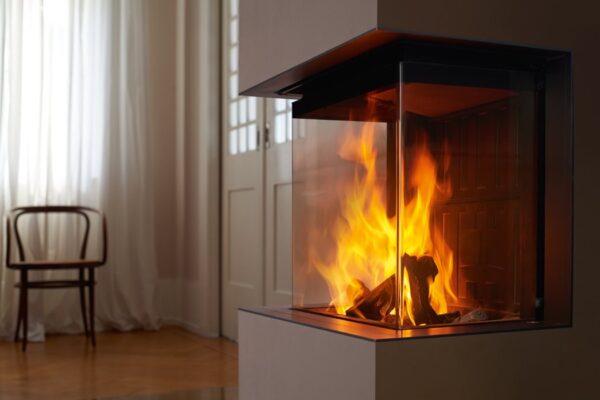
Wood Burner Buying Guide (Winter) | Hot Box ® Stoves Limited
Wood Burner Buying Guide (Winter 2026) | Hot Box ® Stoves Limited Hot Box ®[Read More...]

Spartherm Fireplaces for Modern Homes | Architectural Wood Fires by Hot Box ®
Spartherm are considered by many to be the Mercedes-Benz of wood-burning stoves. High quality components,[Read More...]
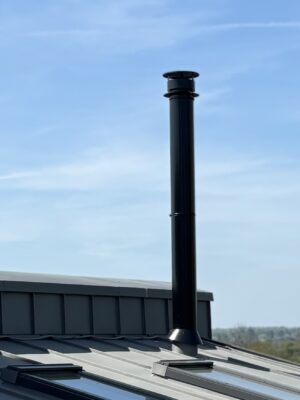
Ultimate Guide to Roof Penetrations & Flashings for Log Burner Flues
A definitive guide to planning, sizing, and installing roof penetrations and flashings for log-burner flues—materials,[Read More...]

The Ultimate Guide to Charnwood Stoves | Buy & Install with Hot Box ®
Thinking about investing in a Charnwood stove? Our Ultimate Guide covers everything you need to[Read More...]
Stove Buyer’s Checklist (Winter Edition)
A concise winter buyer’s checklist covering stove sizing, flue routes, Smoke Control, airtight home advice,[Read More...]
Lighting a Wood Burner: Step-by-Step Guide
Perfect your winter lighting routine—fuel prep, clean ignition with Firestarter, cold-flue tricks and air-control tips[Read More...]

Smoke Control Areas & Ecodesign Guide (UK)
Smoke Control Areas & Ecodesign: A Simple Winter Guide (UK) | Hot Box ® Blog[Read More...]

 Stoves
 Bio Ethanol Fires
 Beams
Beams Fireplace Surrounds
 Hearths
 Fireside Services
 Logs For Wood Burner
 Outdoor Living
 Instant Quote
 Contact Hot Box®