

Hot Box ®
Sweeping a log burner
A log burner chimney sweep is specialised in cleaning chimneys or flues connected to wood-burning stoves (log burners), while a regular chimney sweep typically focuses on open fireplaces, multi-fuel stoves, or gas fireplaces. This page aims to breakdown the key differences between a lopg burner chimney sweep and a regular chimney sweep.
Call Hot Box ®

Cleaning a Log Burner
When booking a chimney sweep online, via Hot Box ® or platforms such as The Stove Guys, it is important to understand the difference between sweeping a chimmey for an open fireplace and one used for a log burner, let’s examine the details.
Chimney Type and Design
- Log Burner Chimneys: Log burners usually have a narrower flue than traditional open fireplaces and may be lined with a stainless steel or other type of flexible liner. These liners help contain smoke and prevent creosote buildup but require specialized cleaning equipment that can reach into these tighter spaces.
- Regular Chimneys: Traditional fireplaces have wider chimneys, and the cleaning process can be simpler with fewer constraints on the tools used. They may or may not be lined, depending on the age and design of the home.
Equipment Used
- Log Burner Sweeps: They often use smaller, flexible rods and soft bristle brushes to prevent damaging the lining in a wood-burning stove flue. Some sweeps also use power sweeping systems or vacuum attachments that work well with lined systems.
- Regular Chimney Sweeps: Regular chimneys can accommodate larger, stiffer brushes, and sweeps may use different types of rotary cleaning systems and tools designed to remove heavy soot or debris common in open fireplaces.
Type of Build-Up
- Log Burner Build-Up: Wood-burning stoves produce creosote, a sticky, tar-like substance that builds up along the chimney liner walls. This residue can be quite flammable and requires careful removal. Sweeps often use creosote-specific tools or chemicals to loosen it without damaging the flue liner.
- Regular Chimney Build-Up: Open fireplaces also produce creosote, though generally in lesser amounts if used for burning coal or smokeless fuels. Traditional chimneys can accumulate leaves, animal nests, and heavier debris, which are easier to remove with traditional sweeping tools.
Safety and Inspection
- Log Burner Sweeps: Log burner sweeps check for issues specific to stoves, such as the condition of the flue liner, seals on the stove, and the stove’s air vents. A blockage in the liner can lead to dangerous smoke leaks, so log burner sweeps must ensure the flue is clean and the liner intact.
- Regular Chimney Sweeps: They generally inspect the wider chimney structure, checking for obstructions, brickwork issues, or general structural integrity. Open fireplaces do not usually have flue liners, so the inspection covers the entire chimney stack.

Cowls and terminals
Supplied and fitted

Fire spares
For any appliance
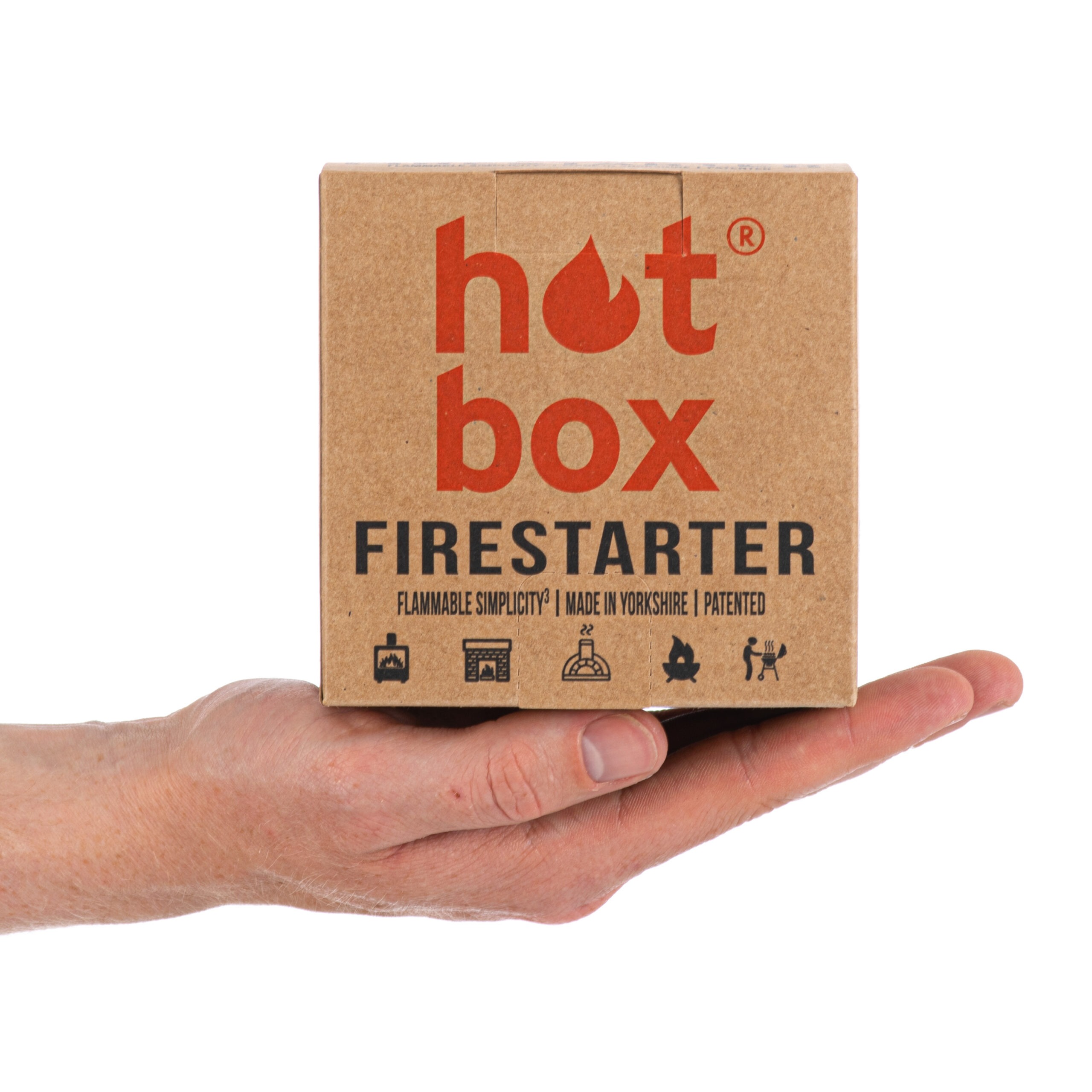
Fire starter
The perfect fire every time
Log Burner Chimney Sweep
Further, you will also need to consider the costs and frequency of service for different types of appliance.
Moreover, you will need to factor in consumable elements for a log burner, which may not exist as part of a traditional open fire.
However, the trade off will be the efficiency in terms of fuel use and heat generated from a log burner versu an open fire.
Expect to pay slightly more when it comes to maintining your log burner, but the benefits of ownership remain extremely viable, especially on a cold winterd night.
Cost and Frequency of Service
- Log Burner Chimney Sweeping: Typically recommended at least once a year, or more if the stove is heavily used. Costs may vary slightly higher due to the specialised equipment and expertise required.
- Further, you may need to factor in stove spares such as fire bricks, replacement CO alarms, rope seals, glass and more. However, your Hot Box ® chimmey sweep will be able to offer advice at point of service and may even be able to replace common parts such as ropre seals for a small additional charge. remember however, if spare parts are needed, these may need to be ordered and delivered and may require a second log burner service element to install, test and recommission the appliance.
- Regular Chimney Sweeping: Also recommended annually, although sometimes the process can be quicker and less costly for wide, open fireplaces with minimal soot build-up.
Conclusion
While both services aim to ensure safety and efficient operation of the chimney or flue, log burner chimney sweeping is more specialised and adapted for the specific needs of wood-burning stoves. For this reason, if you have a log burner, it’s best to hire a chimney sweep experienced in cleaning wood stove flues to maintain safety and prolong the life of your system.
Hot Box ® can provide a range of chimney sweeping services, and our latest chimney sweep franchise is sure to be a hit with consumers and those looking to run their own van based franchise business.
Book a log burner chimney sweep nowHot Box ® Stoves
Servicing your log burner
Servicing a log burner is essential for safety, efficiency, and prolonging the stove’s lifespan.
A typical service includes a thorough inspection of the stove and flue, checking for wear or damage, clearing ash and soot, cleaning the flue to remove creosote buildup, and inspecting seals, glass, and gaskets for tightness. Annual maintenance is recommended to prevent blockages, ensure proper airflow, and minimize fire hazards. For best results, hire a professional with experience in log burner servicing to keep your stove running safely and efficiently.
Call us: +10 123 456 789
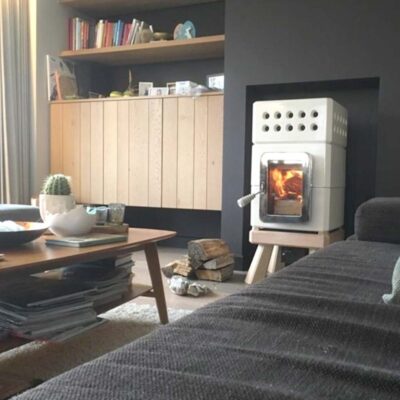
Stack Modular Wood Stoves | National Installation by Hot Box ® Stoves
Stack Modular Wood Stoves – National Installation by Hot Box ® Stoves Stack modular wood[Read More...]
24
Jan
Jan
Wood Burner Buying Guide (Winter) | Hot Box ® Stoves Limited
Wood Burner Buying Guide (Winter 2026) | Hot Box ® Stoves Limited Hot Box ®[Read More...]
23
Jan
Jan

Spartherm Fireplaces for Modern Homes | Architectural Wood Fires by Hot Box ®
Spartherm are considered by many to be the Mercedes-Benz of wood-burning stoves. High quality components,[Read More...]
15
Jan
Jan
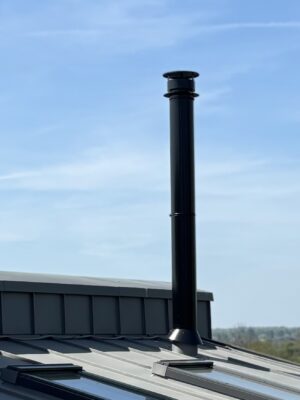
Ultimate Guide to Roof Penetrations & Flashings for Log Burner Flues
A definitive guide to planning, sizing, and installing roof penetrations and flashings for log-burner flues—materials,[Read More...]
01
Nov
Nov

The Ultimate Guide to Charnwood Stoves | Buy & Install with Hot Box ®
Thinking about investing in a Charnwood stove? Our Ultimate Guide covers everything you need to[Read More...]
24
Sep
Sep
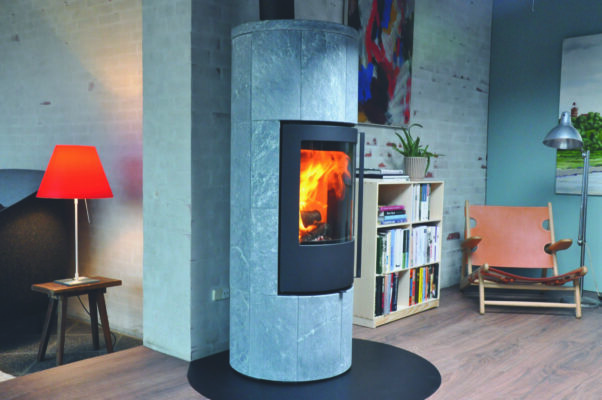
Stove Buyer’s Checklist (Winter Edition)
A concise winter buyer’s checklist covering stove sizing, flue routes, Smoke Control, airtight home advice,[Read More...]
23
Sep
Sep
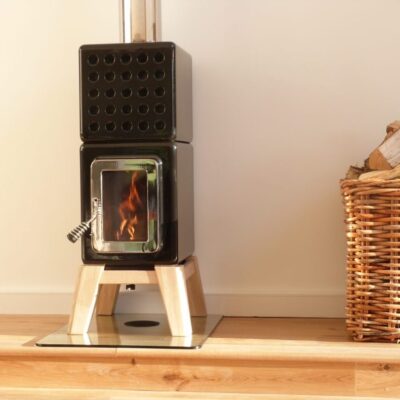
Lighting a Wood Burner: Step-by-Step Guide
Perfect your winter lighting routine—fuel prep, clean ignition with Firestarter, cold-flue tricks and air-control tips[Read More...]
10
Sep
Sep
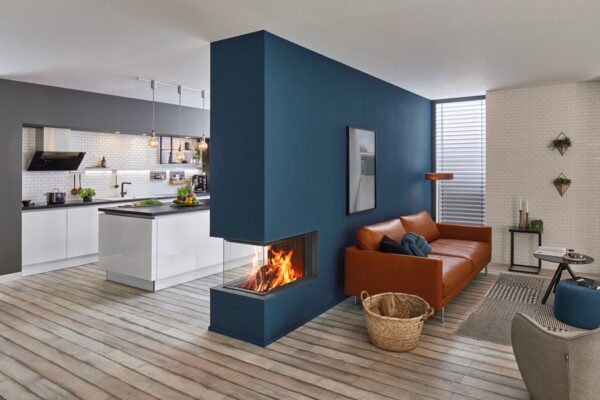
Smoke Control Areas & Ecodesign Guide (UK)
Smoke Control Areas & Ecodesign: A Simple Winter Guide (UK) | Hot Box ® Blog[Read More...]
10
Sep
Sep
 Stoves
 Bio Ethanol Fires
 Beams
 Fireplace Surrounds
 Hearths
 Fireside Services
 Logs For Wood Burner
 Outdoor Living
 Instant Quote
 Contact Hot Box®