Info Posts, Wood Fuel
Firelighters | The Ultimate Guide
21
May
May

fire in an instant

No kindling, no fuss, no mess
The most convenient way to start any fire without fail.

Firelighters The Ultimate Guide
Introduction
Firelighters are an essential tool for quickly and effectively starting fires in fireplaces, wood-burning stoves, barbecues, and campfires. Whether you’re a seasoned outdoor enthusiast, a barbecue aficionado, or someone who enjoys a cozy fire at home, understanding how to use and choose the right firelighter can enhance your experience. This guide will explore everything you need to know about firelighters, including their types, benefits, usage tips, safety considerations, and environmental impact.
What are Firelighters?
Firelighters are small, combustible items designed to easily ignite fires. They are typically used as a base to light charcoal, wood, or other fuel sources. Firelighters come in various forms, including solid blocks, gels, liquids, and natural options, each with unique properties and applications.
Types of Firelighters
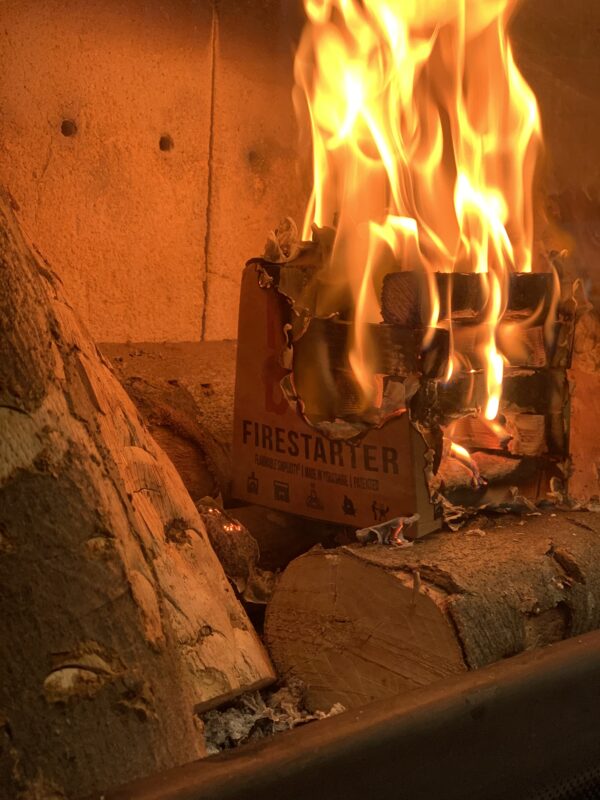
Hot Box ® Firestarter
Without question, Hot Box have created the most convenient firelighters available.
The problem with most other firelighters, is that you still need small pieces of wood called kindling to generate any serious heat.
However, when using Hot Box, all you need to do is add logs.
There is no need to arrange the fire, this has all been done for you and comes in a handy 100mm cube.
This product, unlike those detailed below, is aimed at convenience, speed and ease.
Further, it is suitable for a range of applications including log burners, fire pits, BBQ’s open fires.
It is perfect for clamping, camping and use in the home.
Anyway, the article is about firelighters, not just our own version, so let’s carry on.
-
Solid Firelighters
- Paraffin Wax Firelighters: These are the most common type of solid firelighters. Made from paraffin wax, they are easy to ignite and burn steadily. They come in small, individually wrapped blocks or cubes.
- Natural Firelighters: Made from natural materials such as wood shavings, sawdust, or compressed wood fibers, often bound with natural waxes like vegetable or beeswax. They are an eco-friendly option, producing less smoke and odor compared to paraffin-based firelighters.
- Hot Box ® restarter, the ultimate fire lighters for log burners and more.
-
Gel and Liquid Firelighters
- Gel Firelighters: These are made from a flammable gel that can be squirted onto fuel. They are particularly useful for charcoal grills and outdoor fires as they are easy to apply and burn cleanly.
- Liquid Firelighters: Typically used for barbecues, liquid firelighters are poured directly onto the charcoal or wood. They ignite easily but should be used with caution to prevent flare-ups.
-
Electric Firelighters
- Electric Firestarters: These devices use electricity to generate heat, igniting the fuel without the need for a flame. They are safe and reusable but require a power source.
Benefits of Using Firelighters
-
Ease of Use: Firelighters simplify the process of starting a fire, requiring minimal effort and skill. They ignite quickly and burn steadily, ensuring a reliable flame.
-
Time-Saving: Firelighters significantly reduce the time needed to start a fire, allowing you to enjoy the warmth or start cooking sooner.
-
Convenience: Available in various forms and sizes, firelighters are convenient to store and carry, making them ideal for home use and outdoor adventures.
-
Efficiency: Firelighters produce a consistent flame that can ignite larger pieces of fuel, ensuring an even and sustained burn.
-
Safety: Using firelighters reduces the need for dangerous methods like using accelerants or excessive kindling, minimizing the risk of accidents.
How to Use Firelighters
-
Using Solid Firelighters
- Place 1-2 firelighter cubes or blocks at the base of your fuel stack (charcoal, wood, etc.).
- Light the firelighter using a match or lighter.
- Allow the firelighter to burn for a few minutes until the surrounding fuel catches fire.
- Add more fuel as needed once the fire is established.
-
Using Gel and Liquid Firelighters
- Apply a small amount of gel or liquid firelighter to the base of your fuel.
- Light the gel or liquid using a match or lighter.
- Ensure you follow the manufacturer’s instructions regarding the quantity to avoid excessive flare-ups.
- Once the fuel is ignited, add more as needed.
-
Using Electric Firelighters
- Plug in the electric firestarter and place the heating element at the base of your fuel stack.
- Turn on the device and allow it to heat the fuel for a few minutes.
- Once the fuel starts to ignite, remove the firestarter and add more fuel as needed.
- Ensure the device cools down before storing it away.
Safety Considerations
-
Read Instructions: Always read and follow the manufacturer’s instructions for the specific type of firelighter you are using.
-
Ventilation: Ensure proper ventilation when using firelighters indoors to prevent the buildup of fumes and smoke.
-
Storage: Store firelighters in a cool, dry place away from heat sources and open flames. Keep them out of reach of children and pets.
-
Handling: Handle firelighters with care to avoid accidental ignition. Wash your hands after handling them, especially if they are made from chemical substances.
-
Supervision: Always supervise the fire until it is fully established and ensure it is completely extinguished before leaving it unattended.
-
Avoid Overuse: Do not use excessive amounts of firelighters, as this can cause flare-ups and uncontrolled fires.
Environmental Impact
-
Paraffin Wax Firelighters
- Pros: Readily available, easy to use, and effective.
- Cons: Made from petroleum-based paraffin, contributing to fossil fuel consumption. They can produce smoke and odor when burned.
-
Natural Firelighters
- Pros: Made from renewable resources, biodegradable, and generally produce less smoke and odor.
- Cons: May be slightly more expensive than paraffin-based options but are a more environmentally friendly choice.
-
Gel and Liquid Firelighters
- Pros: Convenient and clean-burning, especially for outdoor use.
- Cons: Some products may contain chemicals that can release harmful fumes. Look for eco-friendly formulations when possible.
-
Electric Firelighters
- Pros: No combustion by-products, reusable, and generally safer.
- Cons: Require electricity, which may not be practical for all situations, especially outdoor use without access to power.
Choosing the Right Firelighter
-
Purpose: Consider the primary use of the firelighter. For indoor fireplaces and stoves, solid or natural fire-lighters are ideal. For barbecues and campfires, gel or liquid firelighters provide convenience and ease of use.
-
Environmental Concerns: If environmental impact is a priority, opt for natural firelighters made from renewable resources. Electric firelighters are also an excellent eco-friendly option if you have access to power.
-
Cost: While natural and electric fire-lighters may have a higher upfront cost, they can offer better long-term value and lower environmental impact.
-
Convenience: For quick and hassle-free ignition, solid paraffin firelighters and gels are highly effective. Electric firelighters provide a clean and reusable option but require a power source.
Firelighter Brands and Products
- Hot Box ® Firestarter: Known for being the easiest, fastest, most convent way to light any fire. Hot Box is the ultimate firelighter that does not need additional components such as kindiling.
-
Zip Firelighters: Known for their high-quality paraffin wax firelighters, Zip offers a range of products suitable for various types of fires, including barbecues, campfires, and indoor fireplaces.
-
EcoFire: Specializing in natural firelighters, EcoFire products are made from sustainable materials like wood wool and natural waxes, offering an eco-friendly alternative to traditional firelighters.
-
Weber: A renowned brand in the barbecue industry, Weber offers a range of firelighters, including both solid and gel options, designed to make lighting your grill quick and easy.
-
Looftlighter: An innovative electric firelighter, the Looftlighter uses hot air to ignite charcoal and wood in seconds. It’s an eco-friendly and reusable option ideal for those with access to power.
-
Rutland Safe Lite: These fire lighters are made from recycled wood and wax, offering a natural and efficient way to start fires. They are safe, non-toxic, and easy to use, making them a popular choice for both indoor and outdoor fires.
Tips for Efficient Fire Starting
-
Proper Fuel Arrangement: Arrange your fuel (charcoal, wood, etc.) in a pyramid or teepee shape to allow air circulation and ensure a steady burn.
-
Dry Fuel: Always use dry fuel to ensure easy ignition and sustained burning. Wet or damp fuel can be challenging to light and produce excessive smoke.
-
Adequate Ventilation: Ensure proper ventilation in your fireplace, stove, or outdoor fire pit to promote efficient combustion and reduce smoke.
-
Layering: Use kindling and small pieces of wood or charcoal on top of the firelighter to help establish the fire before adding larger pieces of fuel.
-
Patience: Allow the firelighter to burn completely and ignite the surrounding fuel before adding more. Adding fuel too quickly can smother the flame and make it harder to establish a consistent fire.
Remember, when using Hot Box ® you don’t need to consider any of the above, just light, leave and add logs.
Frequently Asked Questions
-
Are fire-lighters safe to use indoors?
- Yes, firelighters are safe to use indoors when used according to the manufacturer’s instructions. Ensure proper ventilation to avoid the buildup of fumes and smoke.
-
Can I use fire lighters for cooking?
- Many fire-lighters are suitable for use in barbecues and campfires, making them safe for cooking. However, ensure the firelighter is fully burned and the fuel is properly ignited before cooking food.
-
Are natural fire-lighters as effective as paraffin firelighters?
- Yes, natural fire-lighters can be just as effective as paraffin fire lighters. They often produce less smoke and odor, making them a preferable choice for those concerned about environmental impact.
-
How long do fire lighters burn?
- The burn time of fire lighters varies by type and brand. Most solid firelighters burn for 5-15 minutes, while gel and liquid fire starters can burn for a similar duration. This is usually sufficient to ignite the surrounding fuel. Hot Box ® will burn for around 17 minutes and reaches temperatures in excess of 600 centigrade in a wood burning stove.
-
Can I make my own fire-lighters?
- Yes, you can make your own firelighters using materials like dryer lint, sawdust, and wax. Homemade fire lighters can be an economical and eco-friendly alternative to store-bought options.
Conclusion
Fire lighters are a versatile and essential tool for anyone who enjoys the warmth and ambiance of a fire, whether indoors or outdoors. Understanding the different types of firelighters, their benefits, and how to use them safely can enhance your fire-starting experience. By choosing the right firelighter for your needs and following best practices, you can enjoy a quick, efficient, and environmentally responsible fire every time.
The Hot Box Firestarter stands out as the best fire=lighter available due to its unmatched combination of convenience, effectiveness, and reliability.
Designed for effortless ignition in various settings, including log burners, fireplaces, barbecues, and campfires, the Hot Box Firestarter offers several key advantages.
With its compact design and long burn time, it provides a hassle-free solution for starting fires quickly and efficiently. Made from a blend of high-quality materials, including wax, sawdust, and other flammable substances, it ensures consistent ignition and minimal smoke production.
Whether you’re a seasoned outdoor enthusiast or simply enjoy cozy evenings by the fire, the Hot Box Firestarter is the ultimate choice for hassle-free fire lighting.

 Stoves
 Bio Ethanol Fires
 Beams
 Fireplace Surrounds
 Hearths
 Fireside Services
 Logs For Wood Burner
 Outdoor Living
 Instant Quote
 Contact Hot Box®