
-
×
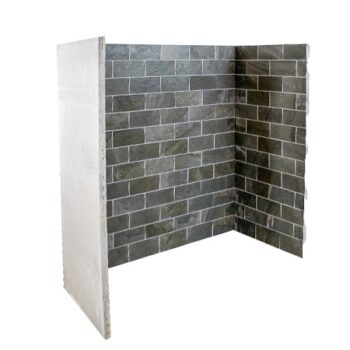 ANTHRACITE BRICK BOND INGLENOOK CHAMBER
£442.00 (incl. VAT)
ANTHRACITE BRICK BOND INGLENOOK CHAMBER
£442.00 (incl. VAT) -
×
 TRAEGER Timberline 850
£2,139.98 (incl. VAT)
TRAEGER Timberline 850
£2,139.98 (incl. VAT) -
×
Stove Pipe to Tecnoflex Screwfit Adaptor - 125mm
£28.03 (incl. VAT)
 TRAEGER Timberline 850
Hot Box ® Stove Installation
Flexible Flue Liner
Schiedel TecnoFlex Plus flexible chimney liners for wood burners, multi-fuel stoves and existing masonry chimneys.
Flexible flue liner systems are used to re-line suitable existing chimneys for wood burning stoves, multi-fuel appliances and other approved heating appliances. Hot Box ® Stoves supplies Schiedel TecnoFlex Plus liners, adaptors, terminals, top plates, clamps and related chimney components.
Shop flexible flue liners Stove installation componentsThe Hot Box ® way
Flexible chimney liners for existing chimneys
A flexible flue liner is installed inside a suitable masonry chimney to create a defined flue route between the stove and the terminal at the top of the stack.
At Hot Box ® Stoves, we advocate the use of Schiedel TecnoFlex Plus for wood burning and multi-fuel stove installations because it is a twin-skin stainless steel liner designed for demanding chimney relining work.
The correct liner, diameter, adaptor, closure plate, top plate, clamp and terminal should be selected carefully. A stove installation is only as reliable as the flue system serving it.
Browse flue liners Book a stove survey
Shop flexible flue liners & components
Browse flexible chimney liners, adaptor kits, top plates, clamps, terminals, pot hangers and stove connection components for chimney relining projects.
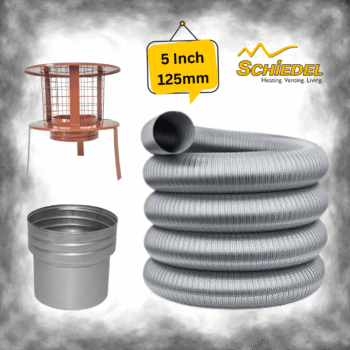
Flue Liner Kits
Original price was: £506.24.£470.03Current price is: £470.03. inc. VAT
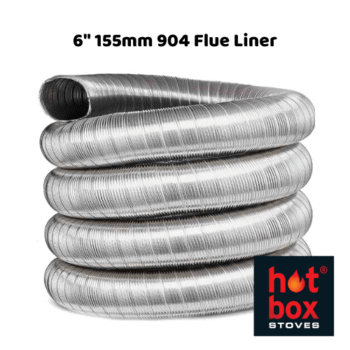

Starting Components
Schiedel Adaptor ICID Plus To Tecnoflex Plus (Dry Applications only)
£56.42 – £67.44 inc. VAT
This product has multiple variants. The options may be chosen on the product page
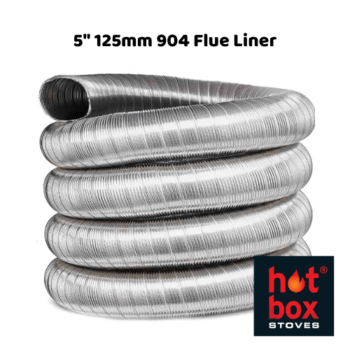
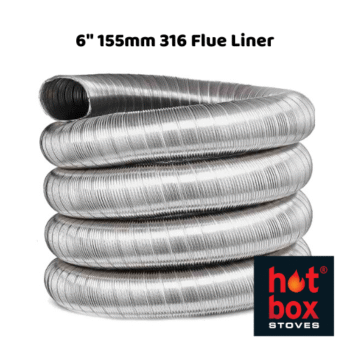
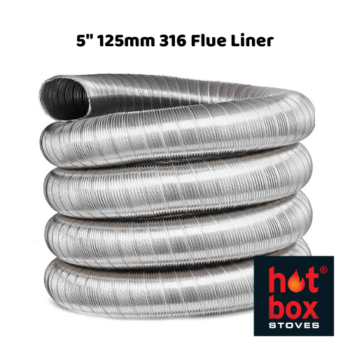


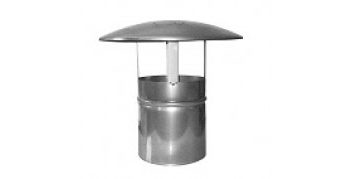
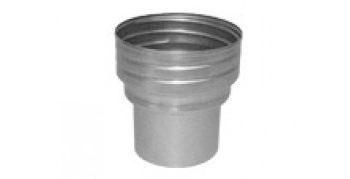

5" Flexible Flue Liners 125mm (5")
£36.89 inc. VAT
Flexible Flue Liner Parts Explained
Flexible flue liner
The flexible flue liner forms the main chimney lining inside the masonry stack. For wood burning and multi-fuel stove installations, Hot Box ® recommends Schiedel TecnoFlex Plus.
316 and 904 grade liners
Flexible chimney liners are commonly available in different stainless steel grades. The correct option depends on appliance type, fuel use, chimney condition and specification requirements.
Flue liner diameter
The liner diameter must suit the appliance, manufacturer instructions and chimney design. Common domestic stove sizes include 125mm and 150mm, but the correct size should always be checked before ordering.
Nose cone
A nose cone helps pull the liner through the chimney. It is useful when lowering or pulling the liner through an existing stack and helps reduce snagging during installation.
Top plate and top clamp
The top plate and clamp support and secure the flexible flue liner at the top of the chimney stack. They also help form part of the finishing detail at the chimney head.
Pot hanger and terminal
A pot hanger or combined pot hanger and terminal can support the liner using the existing chimney pot, depending on the installation detail and selected component.
Adaptor to stove pipe
The liner must connect correctly to the stove pipe or appliance connection. The correct adaptor helps create a safe, serviceable and properly sealed transition.
Closure plate
A closure plate helps close the base of the chimney opening around the liner and stove pipe connection, giving a neater and more controlled installation.
Shop flue liners Flexible Flue Liners
Re-line a suitable existing chimney for a wood burner or multi-fuel stove.
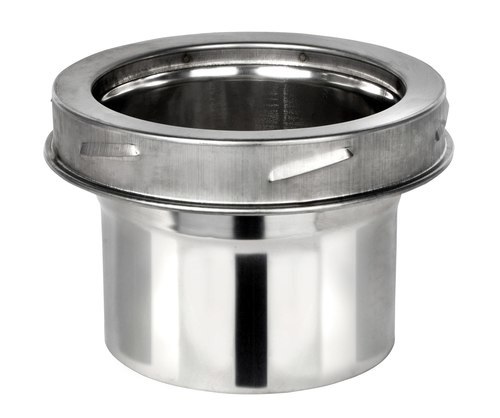
Stove Pipe Adaptors
Connect the liner to the stove pipe using the correct flue adaptor.

Chimney Terminals
Finish the chimney correctly with a suitable terminal, cowl or pot hanger.
When do you need a flexible flue liner?
A flexible flue liner is normally considered when installing a stove into an existing masonry chimney. The liner helps create a suitable flue route, improves serviceability and connects the appliance to the chimney terminal.
The chimney should be inspected and swept before lining. Brickwork, pointing, flashings, flaunching and chimney condition should be reviewed before any liner is installed.
Flexible flue liners are not a substitute for a chimney. They must be installed fully enclosed inside a suitable masonry chimney. They are not designed to be boxed in using timber, plasterboard or other non-masonry enclosures.
Stove installation servicesCommon flexible flue liner installations
- Wood burner into an existing chimney using a stove pipe and liner adaptor.
- Multi-fuel stove installation where the chimney requires relining.
- Old open fireplace conversion where a stove is fitted into a prepared recess.
- Existing liner replacement where the old liner is unsuitable or unknown.
- Chimney improvement work where the flue route needs upgrading.
- Stove servicing and compliance upgrades where components need review.
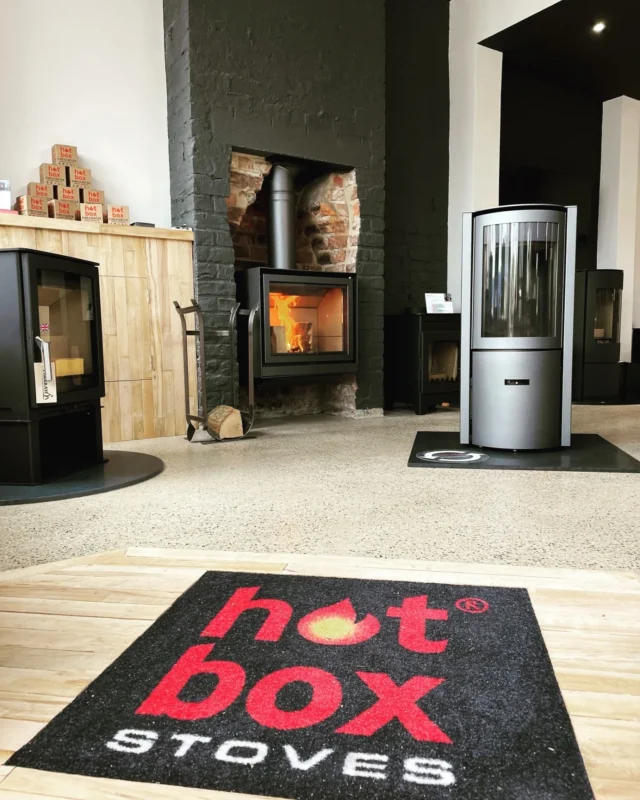
Typical flexible flue liner installation
A typical stove installation may include a stove, connecting stove pipe, adaptor, flexible flue liner, top plate, top clamp, terminal and chimney ventilation details.


Why we recommend Schiedel TecnoFlex Plus
Schiedel TecnoFlex Plus is a twin-skin flexible chimney liner designed for gas, oil and multi-fuel applications, including wood burning stoves, where the flue gas temperature does not exceed the stated product limit.
It has a corrugated outer skin for crush resistance and a smoother inner skin to help condensates drain and reduce soot collection points. The system is supported by a wide range of screw-fit accessories, terminals, adaptors and support parts.
Hot Box ® Stoves recommends TecnoFlex Plus because it is a professional chimney liner system, not a generic budget liner.
View Schiedel TecnoFlexSchiedel TecnoFlex Plus benefits
- Twin-skin stainless steel flexible chimney liner.
- Designed for gas, oil and multi-fuel applications.
- Suitable for high temperature solid fuel applications when specified correctly.
- Available in a range of diameters.
- 316L stainless steel with 904L options available.
- Compatible with Schiedel screw-fit accessories.
- Supported by installation instructions and guarantee registration.
Flexible flue liner installation guidance
Before a flexible flue liner is fitted, the chimney should be inspected, swept and checked for defects. Any necessary chimney repairs should be completed before installation.
For solid fuel stove installations, Hot Box ® recommends using a HETAS registered installer or ensuring the work is approved by Building Control where required.
The liner must be correctly orientated, correctly supported, cut safely and connected using suitable approved components. For TecnoFlex Plus, the direction arrow on the outside of the liner must point upwards towards termination.
Book a stove surveyImportant installation considerations
- The chimney should be swept before lining.
- The chimney should be inspected for deterioration.
- The liner should be sized to the appliance and chimney design.
- Sharp bends, kinks and excessive deformation should be avoided.
- Suitable PPE should be used when handling stainless steel liner.
- The correct support, terminal and adaptor components should be used.
- A carbon monoxide alarm is required where a new or replacement solid fuel appliance is installed.
316 or 904 flexible flue liner?
Many flexible flue liners are offered in 316 or 904 grade stainless steel. The correct choice depends on the appliance, fuel, chimney condition, expected use and specification required.
For many standard wood burning stove installations, a correctly specified 316L liner may be appropriate. For more demanding use, certain fuel types or higher specification requirements, a 904L option may be considered.
The decision should not be made on price alone. The chimney, appliance and fuel use should all be considered before selecting the liner.
Ask Hot Box ® for adviceCommon liner sizes
- 5 inch flexible flue liner for selected compatible stove installations.
- 6 inch flexible flue liner for many wood burning and multi-fuel stove installations.
- 125mm flexible flue liner often used where appliance approval allows.
- 150mm flexible flue liner commonly specified for many stove installations.
- Larger diameter liners for open fires, larger appliances or specialist situations.
Complete your chimney relining setup
A flexible flue liner is only one part of the installation. To complete the system properly, you may also need stove pipe, a liner adaptor, closure plate, top plate, clamp, terminal, cowl, fire cement and chimney ventilation details.
Hot Box ® Stoves can help you build the right component list, whether you are ordering parts online or arranging a full stove installation.
Shop stove pipeUseful related pages
Flexible flue liner FAQs
What is a flexible flue liner?
A flexible flue liner is a stainless steel chimney liner installed inside a suitable masonry chimney to create a defined flue route for an appliance such as a wood burning stove.
Do I need a flexible flue liner for a wood burner?
You may need a flexible flue liner if your wood burner is being installed into an existing chimney. The chimney condition, appliance instructions and installation design should all be considered.
Can flexible flue liner be installed anywhere?
No. A flexible flue liner must be installed fully enclosed inside a suitable masonry chimney. It should not be used as a free-standing flue or boxed in with timber or plasterboard.
What is Schiedel TecnoFlex Plus?
Schiedel TecnoFlex Plus is a twin-skin stainless steel flexible chimney liner designed for gas, oil and multi-fuel applications, including suitable wood burning stove installations.
Which size flexible flue liner do I need?
The correct size depends on the appliance outlet, manufacturer instructions, chimney design and regulations. Common domestic stove sizes include 125mm and 150mm, but the correct diameter should be checked before ordering.
Can Hot Box ® help me choose the right liner?
Yes. Hot Box ® Stoves can help with flexible flue liner selection, stove pipe, adaptors, terminals and complete stove installation advice.
Hot Box ® Stoves
Specify the right flexible flue liner
Shop Schiedel flexible flue liner components, ask Hot Box ® for chimney relining advice or arrange a stove survey for a complete wood burner installation.
Shop flexible flue liners Contact Hot Box ®
194 Fulford Road, York, North Yorkshire
YO10 4DD, United Kingdom
All rights reserved
 Stoves
 Bio Ethanol Fires
 Beams
Beams Fireplace Surrounds
 Hearths
 Fireside Services
 Logs For Wood Burner
 Outdoor Living
 Instant Quote
 Contact Hot Box®