
-
×
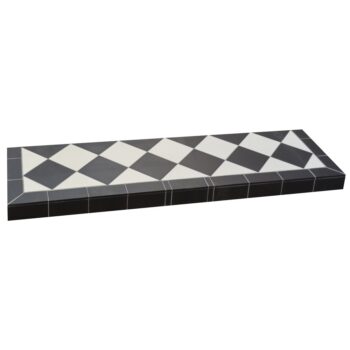
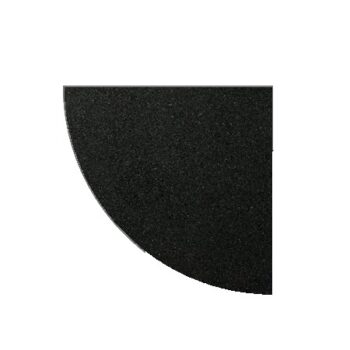
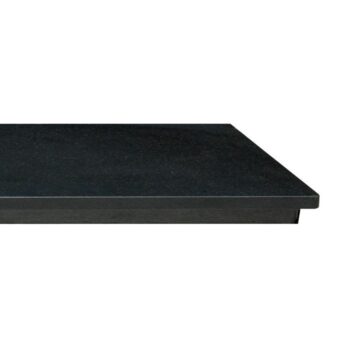
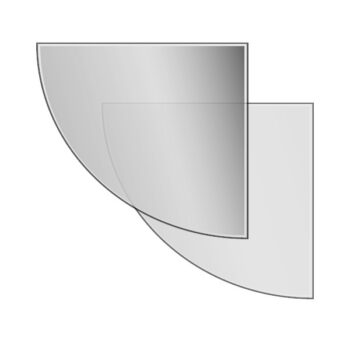
 Granite Shaped Hearth | Square
£278.00 (incl. VAT)
Granite Shaped Hearth | Square
£278.00 (incl. VAT)

Hot Box ® Fireplace Surrounds
Fireplace Hearths
Granite, tiled, glass and stone hearths for wood burning stoves, fireplace surrounds, inglenook chambers and complete fireplace settings.
Hot Box ® Fireplaces
Hearths For Wood Burning Stoves
A hearth is one of the most important parts of a safe and finished fireplace installation.
Hot Box ® supplies fireplace hearths for wood burning stoves, multi-fuel stoves, fireplace surrounds, inglenook chambers and freestanding stove installations.
Choose from tiled hearths, granite hearths, glass hearths and traditional stone-style hearth options designed to protect the floor, define the safe zone around the stove and complete the appearance of the fireplace.
Back to fireplace surrounds
Choosing The Right Fireplace Hearth
A fireplace hearth should be selected around the stove, room style, fireplace opening and surrounding floor finish. It is both a design feature and a safety requirement.
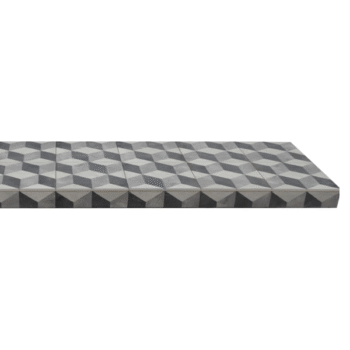
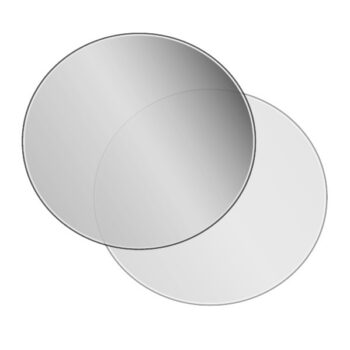
Granite hearths offer a clean, durable and refined finish. Tiled hearths can create a more decorative or period-inspired setting. Glass hearths are often used for freestanding stoves in modern spaces where a lighter visual appearance is preferred.
For traditional fireplaces, the hearth should also work with the surround, chamber and beam, helping the whole fireplace feel intentional rather than assembled from unrelated parts.
The hearth size, projection and material should always be considered before ordering. For stove installations, the hearth normally needs to extend in front of the appliance and to the sides to provide protection from heat, ash and embers.
Where the stove sits inside a fireplace recess, the hearth should work with the chamber lining, fireplace surround and stove position. Where the stove is freestanding, a shaped glass or slab hearth may be more appropriate.
For complete fireplace design, pair your hearth with a fireplace surround, inglenook chamber and fireplace beam.
Call Hot Box ® Tiled Hearths
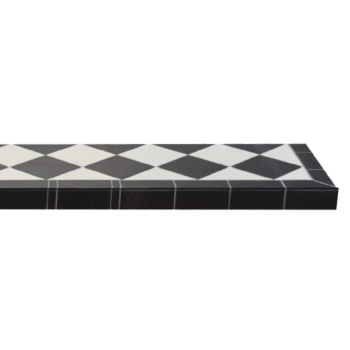
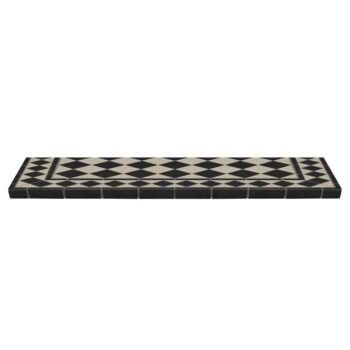
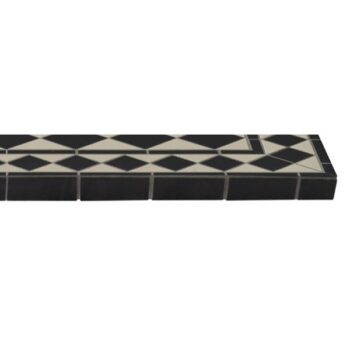
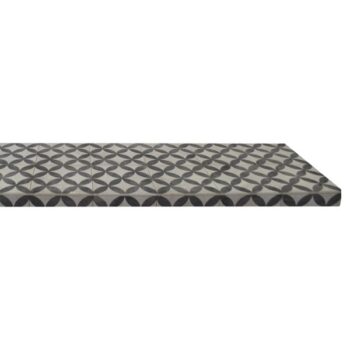
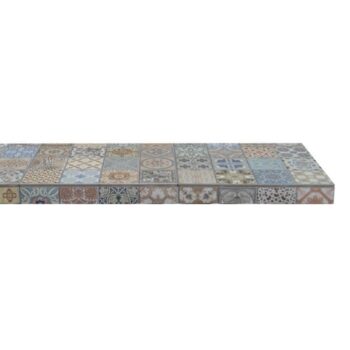
Decorative tiled hearths for period fireplaces, stove recesses and statement interiors.
Granite Hearths
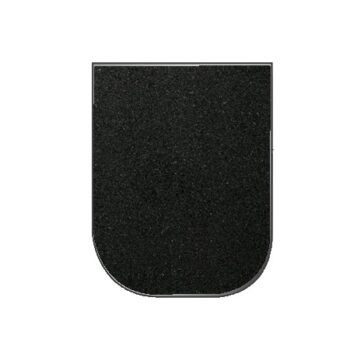
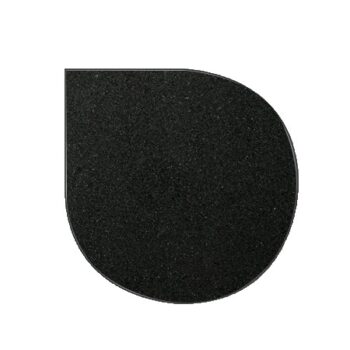
Durable, elegant and practical hearths for traditional and modern stove installations.
Glass Hearths
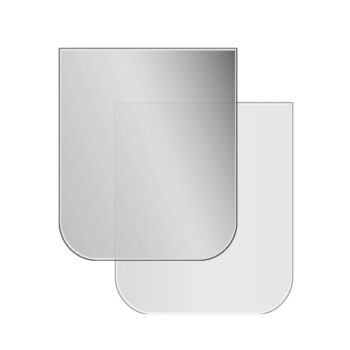
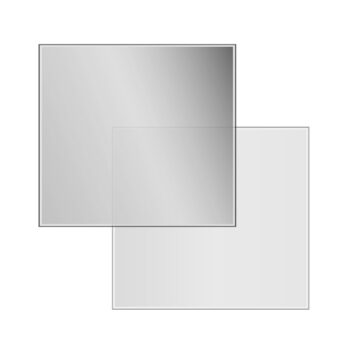
Minimal shaped glass hearths for freestanding stoves and contemporary living spaces.
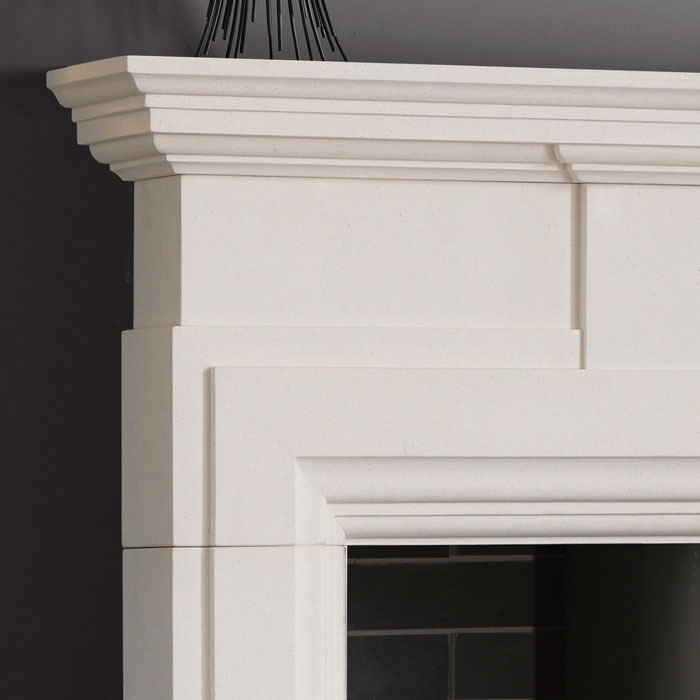
Surrounds
Complete your hearth with a limestone, marble, stone or cast iron fireplace surround.








Hearth Regulations
Do I Need A Hearth For A Wood Burning Stove?
In most cases, yes. A suitable hearth is required to protect the floor and define the safe area around the stove.
For wood burning and multi-fuel stove installations, hearth requirements are generally considered under Building Regulations Approved Document J and the stove manufacturer’s installation instructions.
The hearth must normally be formed from a suitable non-combustible material and extend sufficiently beyond the appliance to protect against heat, ash and falling embers.
The correct hearth size and construction will depend on the stove, the appliance temperature at the base, the floor construction and whether the installation sits inside a fireplace recess or as a freestanding stove.
How To Measure A Fireplace Hearth
Start by deciding where the stove will sit. The stove position controls the hearth size, front projection, side projection and relationship with the fireplace opening.
As a general guide, hearths for stove installations are often designed to project at least 300mm in front of the stove and at least 150mm to each side, although the exact requirements should always be checked against current guidance and the appliance instructions.
Measure the stove width and depth, then add the required projections to establish the minimum hearth footprint. If the stove is positioned inside a recess, the chamber and surround may also influence the hearth shape.
Decorative Hearths & Constructional Hearths
There are two common hearth concepts: a constructional hearth and a decorative or superimposed hearth.
A constructional hearth is usually associated with open fires or appliances capable of transferring greater heat downwards. It is normally formed from dense non-combustible material and may be built into the floor structure.
Many modern stoves are designed so that the base temperature does not exceed 100°C during normal operation. In these cases, a thinner decorative hearth may be acceptable, provided the appliance instructions and Building Regulations requirements are satisfied.
Hearth Materials
Granite Hearths
Granite hearths are a popular choice because they are durable, clean-looking and suitable for a wide range of fireplace styles. Polished and honed finishes can both work well depending on the room and stove design.
Tiled Hearths
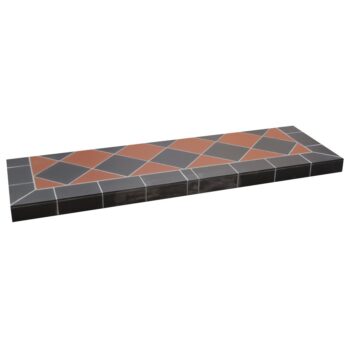
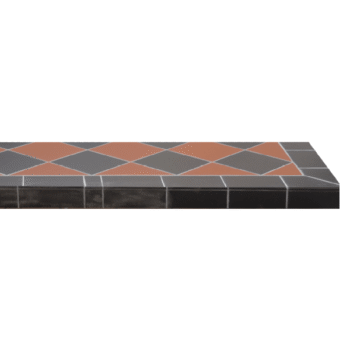
Tiled hearths can add pattern, colour and character. They are particularly effective in period properties, Victorian-inspired rooms and fireplace settings where the hearth is intended to become a feature.
Glass Hearths
Glass hearths are often used with freestanding stoves in modern interiors. They help define the safe zone while keeping the floor visually open and uncluttered.
Stone & Slate Hearths
Stone and slate-style hearths are ideal for rustic, traditional and inglenook fireplace settings. They work well with brick chambers, dark beams and classic wood burning stoves.
Complete The Fireplace
Fireplace Surrounds
A hearth should work with the fireplace surround above it. Limestone, marble, cast iron and stone surrounds all require careful proportioning against the hearth size and finish.
Inglenook Chambers
The chamber behind the stove can completely change the final effect. Brick, slate and vermiculite chambers all pair differently with tiled, granite and glass hearths.
Fireplace Beams
Fireplace beams can add warmth and character above the stove, but combustible clearances must be considered carefully where timber or timber-effect products are used.
York Fireplaces
For York customers, Hot Box ® can help with hearth selection, fireplace design, stove choice and installation planning.
Fireplace Hearths FAQs
Frequently Asked Questions
Do I need a hearth for a wood burning stove?
In most cases, yes. A suitable non-combustible hearth is normally required to protect the floor and define the safe area around the stove.
How far should a hearth project in front of a stove?
As a general guide, hearths often project at least 300mm in front of the stove and 150mm to each side, but the final requirement should always be checked against Building Regulations guidance and the appliance manufacturer’s instructions.
What is the best hearth material?
The best hearth material depends on the style of the room and the stove installation. Granite is durable and refined, tiled hearths add character, glass hearths suit modern freestanding stoves, and slate or stone-style hearths work well in rustic fireplace settings.
Can I put a stove on a wooden floor?
A stove should not sit directly on a combustible floor without a suitable hearth or protective arrangement. The hearth must be selected to suit the appliance, floor construction and installation type.
What is the difference between a constructional hearth and a decorative hearth?
A constructional hearth is a more substantial non-combustible base, often associated with open fires or appliances that transfer greater heat downwards. A decorative or superimposed hearth may be suitable for many modern stoves where the appliance base temperature remains within permitted limits.
Start With The Hearth. Finish The Fireplace.
A hearth provides the base for the entire fireplace. Choose the right size, finish and material, then complete the installation with a suitable surround, chamber, beam and stove.
Stack Modular Wood Stoves | National Installation by Hot Box ® Stoves
Stack Modular Wood Stoves – National Installation by Hot Box ® Stoves Stack modular wood[Read More...]
24
Jan
Jan
Wood Burner Buying Guide (Winter) | Hot Box ® Stoves Limited
Wood Burner Buying Guide (Winter 2026) | Hot Box ® Stoves Limited Hot Box ®[Read More...]
23
Jan
Jan
Spartherm Fireplaces for Modern Homes | Architectural Wood Fires by Hot Box ®
Spartherm are considered by many to be the Mercedes-Benz of wood-burning stoves. High quality components,[Read More...]
15
Jan
Jan
Ultimate Guide to Roof Penetrations & Flashings for Log Burner Flues
A definitive guide to planning, sizing, and installing roof penetrations and flashings for log-burner flues—materials,[Read More...]
01
Nov
Nov

The Ultimate Guide to Charnwood Stoves | Buy & Install with Hot Box ®
Thinking about investing in a Charnwood stove? Our Ultimate Guide covers everything you need to[Read More...]
24
Sep
Sep
Stove Buyer’s Checklist (Winter Edition)
A concise winter buyer’s checklist covering stove sizing, flue routes, Smoke Control, airtight home advice,[Read More...]
23
Sep
Sep
Lighting a Wood Burner: Step-by-Step Guide
Perfect your winter lighting routine—fuel prep, clean ignition with Firestarter, cold-flue tricks and air-control tips[Read More...]
10
Sep
Sep
Smoke Control Areas & Ecodesign Guide (UK)
Smoke Control Areas & Ecodesign: A Simple Winter Guide (UK) | Hot Box ® Blog[Read More...]
10
Sep
Sep
 Stoves
 Bio Ethanol Fires
 Beams
Beams Fireplace Surrounds
 Hearths
 Fireside Services
 Logs For Wood Burner
 Outdoor Living
 Instant Quote
 Contact Hot Box®