components, cowls and terminals

Chimney Cowls

Terminate your flue liner or chimney with a fit for purpose cowl or terminal from Hot Box ®. We can provide chimney cowls for most applications related to wood burning, multi fuel and gas stoves and fireplaces.

Screw Fit to Flexible Liner

The easiest way to connect a flexible fluer liner to your cowl or terminal, mitigates the need to remove your chimney pot.

A chimney cowl may seem like a small component of your stove system, but it plays a vital role in safety, efficiency, and longevity. Whether you're new to wood-burning stoves or looking to upgrade your current setup, understanding chimney cowls is essential. This guide from Hot Box® Stoves covers everything you need to know.

A chimney cowl is a cap or cover fitted to the top of a chimney pot or flue. Designed to improve airflow, prevent downdrafts, and stop unwanted intrusions, cowls come in various shapes, materials, and functions to suit different stove and fireplace systems.

  • Prevent Downdrafts: Downdrafts can push smoke and fumes back into your home. A properly fitted cowl deflects wind and stabilizes airflow.
  • Enhance Draft: Certain designs help improve upward draft, which supports efficient combustion and prevents soot build-up.
  • Keep Out Rain: Rain ingress can damage the flue lining and internal stove parts. Cowls act as a barrier against rainwater.
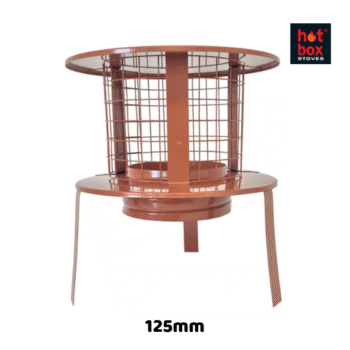
  • Deters Birds and Debris: Some cowls include bird guards to stop nesting and blockages, ensuring uninterrupted operation.

1. Static Cowls

These are fixed cowls designed primarily to prevent rain and bird entry. While simple and affordable, they offer limited impact on draft.

2. Anti-Downdraft Cowls

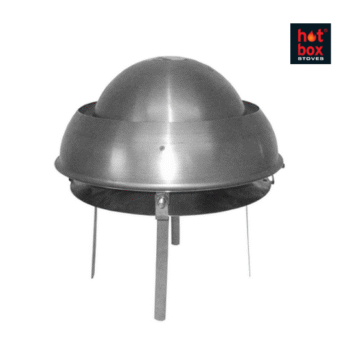
Shaped to redirect wind, these cowls reduce or eliminate downdrafts. Ideal for properties in windy or exposed locations.

3. Rotating Cowls

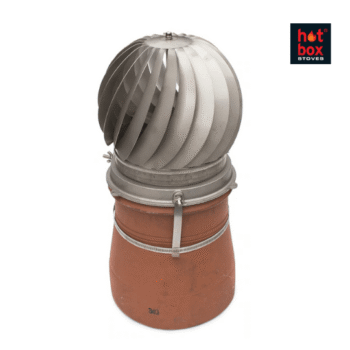
Fitted with vanes that spin with the wind, these cowls create suction to improve draft. Particularly effective in combating stubborn downdraft issues.

4. H-Pot Cowls

Named for their 'H' shape, these cowls use horizontal and vertical baffles to manage airflow and protect against weather and backflow.

5. Chimney Cap Cowls

These provide basic rain protection and animal deterrence, often used on disused or redundant chimneys

Shop now

Anti Down-Draught Cowls

Have a problem with down draft? A solid fuel anti downdraft cowl might be what you need to solve the problem.

  • Stainless Steel: Durable, corrosion-resistant, and ideal for high-temperature applications.
  • Galvanised Steel: More affordable but less resistant to corrosion; better for temporary or low-use chimneys.
  • Terracotta or Clay: Aesthetic match for traditional chimney pots but less versatile in function.

Consider:

  • Type of Stove or Fire: Wood-burning stoves, open fires, and gas systems may require different specifications.
  • Local Wind Conditions: Windy locations may benefit from anti-downdraft or rotating cowls.
  • Bird Activity: If bird nesting is common, opt for a bird-guarded model.
  • Fuel Type: Some fuels produce more soot or condensation and may need a specialist cowl.
  • Professional Fitting: Always have cowls installed by a qualified technician to ensure compatibility and safety.
  • Routine Inspection: Check annually for blockages, corrosion, or damage.
  • Cleaning: Cowls should be cleaned when the flue is swept. Build-up of creosote or soot can impair functionality.

FAQs

Q: Can I install a cowl myself? A: DIY is not recommended. Improper fitting can cause dangerous draft problems or damage your chimney system.

Q: Will a cowl stop birds from nesting? A: Yes, if it includes an integrated bird guard.

Q: How do I know if downdrafts are an issue? A: Symptoms include smoke blowing back into the room, poor stove performance, or whistling noises.

Learn more
Out of stock

Chimney Cowls

Spinning Cowl

Original price was: £146.58.Current price is: £139.25. inc. VAT

Chimney Cowls

Square Bird Guard Cowl

£77.22 inc. VAT

Chimney Cowls

Chimney Cap Buff

Original price was: £40.36.Current price is: £38.34. inc. VAT
Original price was: £93.31.Current price is: £88.64. inc. VAT
£46.69 inc. VAT
Original price was: £36.89.Current price is: £35.04. inc. VAT
Original price was: £176.15.Current price is: £167.34. inc. VAT
£124.02 inc. VAT

Chimney Cowls

Chimney cowls are a vital part of modern stove and open-fire installations. Unlike older terminals, today’s designs are purpose-made and often push- or screw-fit; consequently, they connect neatly to flexible flue liners to create a safe, efficient pathway from appliance to atmosphere.
For a plain-English overview of types and when to use them, see
The Ultimate Guide to Chimney Cowls
and our quick primer on
how cowls protect against rain, wind and debris.

Choosing the Right Cowl

Selecting the correct cowl or terminal is essential. For example, if you face wind-related smoke blow-back, start with an
anti-downdraught chimney cowl. In contrast, for coastal or highly exposed stacks, a
spinning/rotary cowl often performs better. Meanwhile, where rain ingress is the main issue, a
rain-cap cowl helps; to control wildlife entry, choose a
bird-guard cowl. Thatched or high-risk roofs typically require a
spark-arrestor cowl.

What a Cowl or Terminal Does

The Hot Box® team has installed wood-burning appliances across the UK for over a decade; therefore, we only supply cowls, terminals and pot-hangers we trust on our own projects. For installation steps, use the
step-by-step fitting guide, and to avoid pitfalls, read 10 buying mistakes to avoid.

Which Cowl Should I Choose?

Your best option depends on the job to be done and the flue designation. If you are unsure whether a terminal is required at all, begin with
Do I need a chimney cowl?

With liners, push- or screw-fit terminals usually connect directly. Without a liner, select a cowl that fits over the chimney pot and secures with a strap/band or jubilee clip. In addition, check the Chimney Cowl Size Guide and compare fixing methods in Fixings explained. Moreover, for coastal or high-wind sites, review the best coastal cowl options.

Wind-induced blow-back is typically solved with an anti-downdraught cowl. Alternatively, on very exposed stacks, compare rotating vs static cowls to choose between a bonnet-style design and a rotary head.

How Do I Cap a Redundant Flue?

Capping must still allow ventilation; otherwise, moisture build-up and damp can occur. Therefore, many customers choose a vented pepper-pot insert to keep out water, birds and rodents while allowing airflow. For context on when to cap versus when to cowl, read
Chimney Caps vs Chimney Cowls.

Alternatively, a metal vented capping cowl secures like a standard terminal. However, if you prefer a traditional look, clay terminals are available — including reclaimed options from The Reclaimed Company.

Chimney Cowls for Gas Fires

Hot Box® focuses on wood-burning stove installations; nevertheless, many cowls suitable for stoves also work with gas appliances. Always confirm suitability with a Gas Safe registered engineer. Finally, if you are still deciding whether a terminal is required, see
Do I Need a Chimney Cowl?.


Chimney Cowls & Terminals

Stop downdraft, keep rain & birds out, and improve stove performance with our range of chimney cowls for wood-burning and multi-fuel appliances.

Anti-Downdraft Cowls
Fix wind-related smoke blowback
Bird Guard Cowls
Keep birds & debris out
Rotating & Spinner Cowls
Help induce positive draw
Rain Caps & Terminals
Protect from rain ingress
Pot-Hanger Cowls
Connect to flexible liners
Stainless (316/904)
Hard-wearing coastal options

Need more choice? Try ChimneyCowls.uk

Note: You can order here at Hot Box Stoves or browse expanded options on our specialist site ChimneyCowls.uk.

Fast Delivery & Expert Advice

Nationwide delivery. Unsure which cowl you need? Contact us for guidance based on chimney pot size, fuel type and exposure.

Chimney Cowl FAQs

Which cowl stops downdraft?
Anti-downdraft cowls (static bonneted or directional) are designed to disrupt negative pressure caused by wind, reducing smoke blowback. If exposure is severe, consider a spinner/rotating cowl or address stack height issues.
How do I size a cowl to my chimney pot?
Measure the internal/external diameter (or rectangular dimensions) of the pot. Most cowls are adjustable to common UK pot sizes, but always check the product spec and clamp/band type. When in doubt, send a photo & measurements.
Do I need stainless steel 316 or 904?
316 is suitable for most solid-fuel applications inland. Choose 904 grade for harsher/coastal environments or where acidic condensates are expected for better corrosion resistance.
Can I use a bird guard with a solid-fuel stove?
Yes, but ensure the guard has adequate free area for flue gases and is rated for the appliance/fuel. Regular maintenance is essential to prevent soot/tar build-up.
What is a pot-hanger cowl?
A pot-hanger combines a terminal and fixing that suspends a flexible flue liner from the chimney pot. It simplifies installs and avoids drilling the pot; select a model compatible with your liner diameter.
This site uses cookies to offer you a better browsing experience. By browsing this website, you agree to our use of cookies.