
Flue Liners, Info Posts
Core ball testing for chimneys

26
Nov
Nov
Core ball testing for chimneys, old hat or still relevant?
This article aims to explore core ball testing for chimneys, what are they and how can they be of benefit when gathering information to install a flexible flue liner.
Core Ball Test to Measure Chimney Diameter: Overview and Procedure
The Core Ball Test is a method used to measure the internal diameter of a chimney or flue, typically when it is difficult to directly measure the flue size due to limited access or a lack of clear markings. This test uses a small, spherical ball (often called a “core ball”) that is dropped or pushed through the chimney flue. The core ball’s movement within the chimney is then monitored to determine the diameter of the flue.
Purpose of the Core Ball Test
The main purpose of the Core Ball Test is to accurately measure the internal diameter of a chimney or flue, particularly when the chimney is unlined or inaccessible for standard measurement techniques. It can be particularly useful in the following situations:
- Renovations: When retrofitting an appliance (e.g., wood-burning stoves, gas fires, or boilers) to an existing chimney, it is essential to know the flue size to ensure proper ventilation and safe operation.
- Flue Assessment: To check whether the chimney complies with safety standards or if there are obstructions that might impair the flow of combustion gases.
- Chimney Lining: When installing a new flue liner (such as a flexible or rigid liner), the core ball test can be used to determine the internal dimensions of the chimney to ensure the liner fits properly.
Tools and Materials Required
- Core Ball: A small, smooth, spherical ball, typically made of plastic, rubber, or lightweight metal. The diameter of the ball is chosen to be slightly smaller than the internal diameter of the flue or chimney.
- String or Cord: For guiding the ball through the flue, if necessary, or for retrieving the ball once it has moved through the flue.
- Chimney Sweep Brush or Rod: For cleaning the chimney prior to performing the test, ensuring no blockages or obstructions interfere with the test.
- Measuring Tape: To measure the ball’s movement and assess the distance traveled within the chimney.
- Camera or Inspection Tools (optional): In some cases, a camera or inspection tool (such as a borescope) may be used to monitor the ball’s movement inside the chimney.
Steps to Carry Out the Core Ball Test
1. Preparation of the Chimney
Before performing the core ball test, the chimney should be thoroughly inspected and cleaned to ensure there are no obstructions, soot buildup, or debris that could hinder the ball’s movement. A blocked or partially obstructed flue could affect the accuracy of the test or prevent the ball from passing through the entire length of the chimney.
- Chimney Sweep: Use a chimney brush or sweep rods to clean the chimney, removing any soot, creosote, or other debris.
- Inspection: If possible, use a camera or borescope to inspect the condition of the chimney, checking for any irregularities such as cracks, holes, or areas of reduced diameter.
2. Selecting the Core Ball
The core ball should be chosen with a diameter slightly smaller than the nominal internal diameter of the chimney. This is because the ball needs to be able to travel freely through the flue, but it should also be large enough that its movement will be impeded by the walls of the flue if the diameter is too small.
- Ball Diameter: Typically, the ball will be between 5-10% smaller in diameter than the flue’s internal measurement to ensure it can fit and provide an accurate indication of the flue size.
3. Dropping or Inserting the Core Ball
Once the ball is ready, it can be either dropped into the chimney from the top (chimney stack) or inserted from the bottom (appliance side), depending on accessibility and the height of the chimney.
- Top-Down Method: This is the most common approach where the core ball is dropped from the top of the chimney. If the chimney is tall, a cord or string may be attached to the ball to control its descent and retrieval.
- Bottom-Up Method: Alternatively, the ball can be inserted from the appliance or base of the chimney if access is more difficult from the top.
4. Monitoring the Ball’s Movement
The core ball will move down the chimney due to gravity, and its movement through the flue will be monitored to assess the internal diameter of the chimney.
- Movement Resistance: As the ball moves through the flue, it will encounter resistance based on the size of the flue. If the flue is too narrow for the ball, it will either get stuck or move very slowly.
- Clearance and Fit: If the ball moves easily and smoothly, the internal diameter of the chimney is sufficient to allow the ball to pass. If the ball encounters significant resistance or gets stuck, it may indicate that the flue is smaller than anticipated, or there may be an obstruction or narrowing within the chimney.
5. Retrieving the Core Ball
Once the core ball has passed through the chimney (or has traveled a sufficient distance), it must be retrieved. If a string or cord was attached to the ball, it can be pulled back up to the top of the chimney for easy retrieval. If the ball was dropped from the top, it should be collected at the bottom of the chimney or appliance.
6. Measuring and Analyzing the Results
The results of the test are determined by the clearance between the core ball and the internal walls of the flue. You may be able to observe the movement of the ball directly and estimate the flue diameter based on how freely the ball moves. In some cases, the ball may be marked with measurements to help with diameter estimation.
- Diameter Estimation: The size of the ball relative to the flue’s internal diameter gives an indication of whether the flue is large enough for the appliance or the flue liner to be installed. If there is too much gap around the ball, the flue is too large for the ball, and vice versa if the ball gets stuck.
- Flue Integrity: The ball’s ability to move smoothly through the chimney also helps to identify any areas where there might be constrictions or irregularities in the flue.
7. Recording the Results
The results of the core ball test should be carefully recorded, including:
- The approximate diameter of the flue based on the core ball size and movement.
- Any irregularities or obstructions found during the test.
- The overall condition of the chimney, including any issues identified during the inspection process.
8. Post-Test Actions
If the core ball test indicates any issues with the size or condition of the chimney (such as excessive narrowing, obstructions, or cracks), appropriate corrective action should be taken. This might include:
- Chimney Lining: If the flue is too large or structurally unsound, installing a flue liner may be necessary to bring the chimney into compliance.
- Obstruction Removal: If the test reveals blockages, these should be removed by a professional before continuing any further installation work.
Benefits of the Core Ball Test
- Non-Destructive: The core ball test is a non-invasive, relatively simple method to measure a chimney’s internal diameter.
- Accurate in Difficult-to-Access Chimneys: The core ball test is particularly useful when it’s not possible to use other methods of measurement (e.g., measuring tapes, gauges) due to a lack of space or accessibility.
- Quick and Easy: It is a relatively quick method compared to other techniques like using a bore scope or taking detailed measurements.
Limitations of the Core Ball Test
- Limited Accuracy: While the core ball test can give an indication of the flue size, it is not as precise as other direct measurement techniques. It can be affected by obstructions or irregularities in the chimney that may not be detected unless thoroughly inspected.
- Obstructions: If there are any severe obstructions in the chimney, the ball may get stuck, and further action may be required to clear the flue before the test can proceed properly.
Conclusion
The Core Ball Test is a simple yet effective way to estimate the internal diameter of a chimney or flue, particularly in situations where traditional measurement tools cannot be used. It is an essential tool for chimney professionals, ensuring that the chimney meets the necessary specifications for safety and efficiency, especially when installing new appliances or retrofitting flue liners. When performed correctly, the core ball test provides valuable insights into the condition and size of a chimney or flue system, helping to ensure safe combustion and venting in the home.
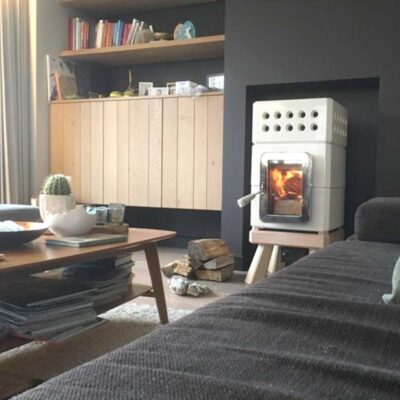
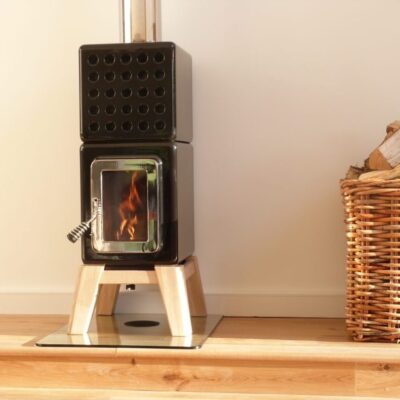
Stack Modular Wood Stoves | National Installation by Hot Box ® Stoves
Stack Modular Wood Stoves – National Installation by Hot Box ® Stoves Stack modular wood[Read More...]
24
Jan
Jan
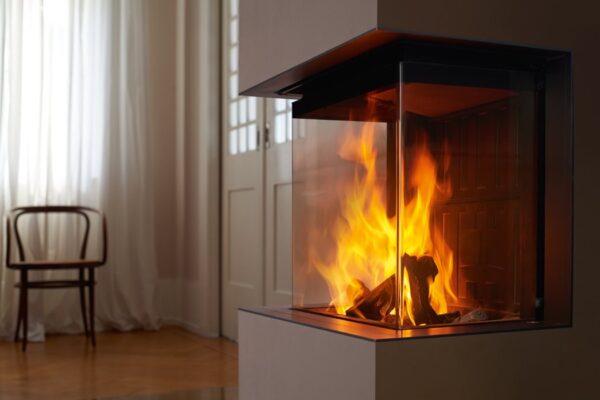
Wood Burner Buying Guide (Winter) | Hot Box ® Stoves Limited
Wood Burner Buying Guide (Winter 2026) | Hot Box ® Stoves Limited Hot Box ®[Read More...]
23
Jan
Jan

Spartherm Fireplaces for Modern Homes | Architectural Wood Fires by Hot Box ®
Spartherm are considered by many to be the Mercedes-Benz of wood-burning stoves. High quality components,[Read More...]
15
Jan
Jan
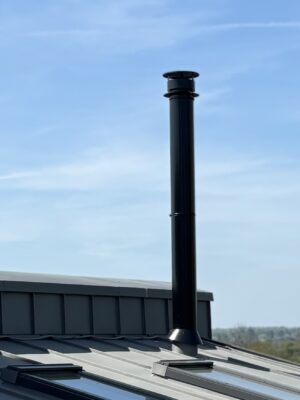
Ultimate Guide to Roof Penetrations & Flashings for Log Burner Flues
A definitive guide to planning, sizing, and installing roof penetrations and flashings for log-burner flues—materials,[Read More...]
01
Nov
Nov

The Ultimate Guide to Charnwood Stoves | Buy & Install with Hot Box ®
Thinking about investing in a Charnwood stove? Our Ultimate Guide covers everything you need to[Read More...]
24
Sep
Sep
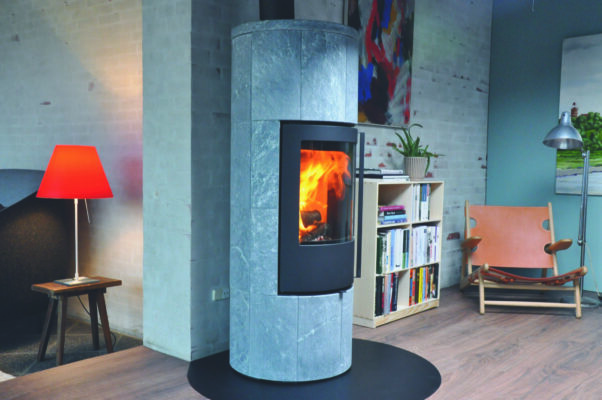
Stove Buyer’s Checklist (Winter Edition)
A concise winter buyer’s checklist covering stove sizing, flue routes, Smoke Control, airtight home advice,[Read More...]
23
Sep
Sep
Lighting a Wood Burner: Step-by-Step Guide
Perfect your winter lighting routine—fuel prep, clean ignition with Firestarter, cold-flue tricks and air-control tips[Read More...]
10
Sep
Sep

Smoke Control Areas & Ecodesign Guide (UK)
Smoke Control Areas & Ecodesign: A Simple Winter Guide (UK) | Hot Box ® Blog[Read More...]
10
Sep
Sep

 Stoves
 Bio Ethanol Fires
 Beams
Beams Fireplace Surrounds
 Hearths
 Fireside Services
 Logs For Wood Burner
 Outdoor Living
 Instant Quote
 Contact Hot Box®