


Stove Safety
Stove safety, is of paramount importance and a bi product of owning a wood burner or multi fuel stove.
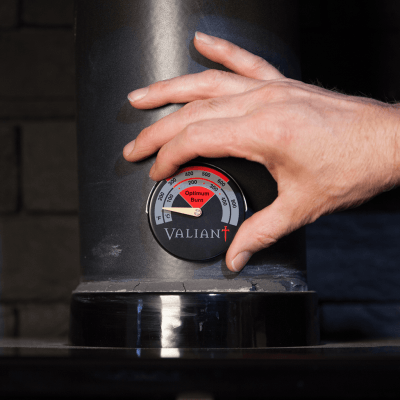
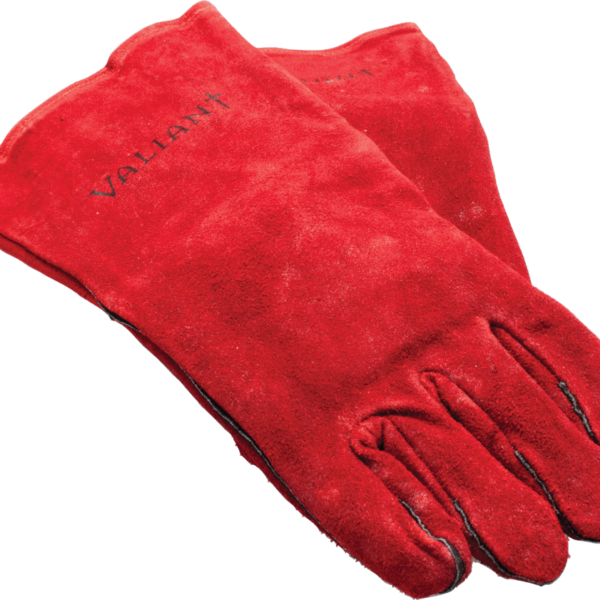
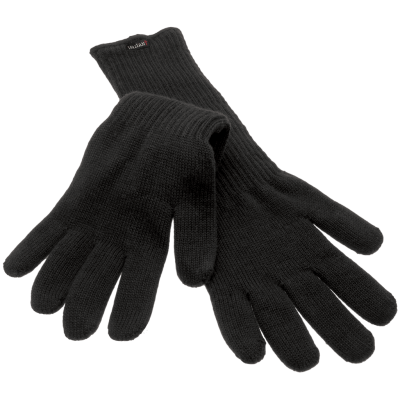
The following information, coupled with proper safety products, and routine maintenance, will ensure your stove is safe to use and fit for purpose.
Wood burners are a popular and efficient way to heat homes, providing a cozy atmosphere and reducing reliance on fossil fuels. However, to enjoy the benefits safely, it’s essential to follow some key safety practices.
Installation and Maintenance
- Professional Installation: Always have your wood burner installed by a qualified professional. Improper installation can lead to fires or carbon monoxide poisoning.
- Regular Inspections: Schedule annual inspections of your wood burner and chimney by a certified technician. This ensures that the system is in good working order and identifies any potential hazards.
- Chimney Cleaning: Clean the chimney at least once a year to prevent creosote buildup, which is highly flammable and a common cause of chimney fires.
Safe Operation
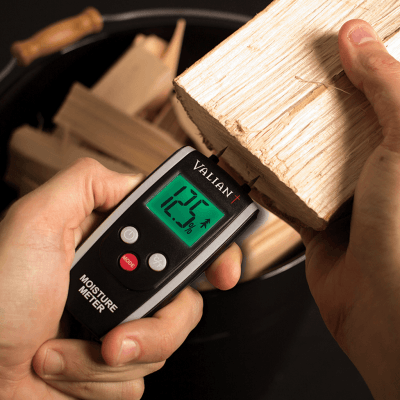
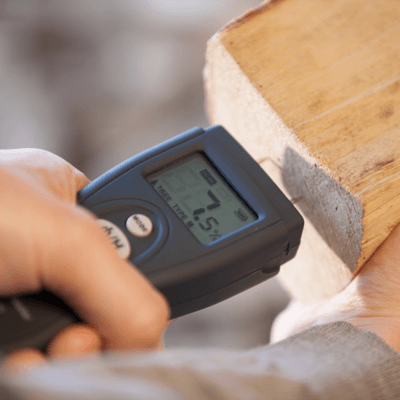
- Use Dry, Seasoned Wood: Burn only dry, seasoned wood. Wet or green wood produces more creosote and can cause chimney fires. Hardwood like oak or maple burns hotter and cleaner than softwood. Use proper firelighters and lighting practices.
- Avoid Overloading: Do not overload the burner. Excessive wood can overheat the stove and cause damage or fires.
- Proper Ventilation: Ensure your home has adequate ventilation when using a wood burner. Lack of ventilation can lead to carbon monoxide buildup, which is deadly.
- Use Fire Starters: Only use fire starters designed for wood burners. Never use flammable liquids like petrol, diesel, white spirit or kerosene.
- Keep Flammables Away: Maintain a safe distance between the wood burner and any flammable materials, such as furniture, curtains, and rugs.
Safety Equipment
- Smoke and Carbon Monoxide Detectors: Install smoke and carbon monoxide detectors on every level of your home, especially near sleeping areas. Test them monthly and replace batteries annually.
- Fire Extinguisher: Keep a fire extinguisher nearby and ensure everyone in the household knows how to use it.
- Heat Shields: Use heat shields if the wood burner is near a wall or other combustible material to prevent overheating and potential fires.
In Case of Emergency
- Have an Evacuation Plan: Develop and practice an evacuation plan with your family. Know two ways out of every room and establish a meeting place outside.
- Know the Signs of Trouble: Be aware of signs like unusual smoke, soot buildup, or strange odors, which can indicate a problem. If you suspect a problem, stop using the wood burner and call a professional.
By following these guidelines, you can enjoy the warmth and ambiance of a wood burner while keeping your home and family safe. Regular maintenance, careful operation, and the right safety equipment are key to preventing accidents and ensuring a cozy, hazard-free home.
 Stoves
 Bio Ethanol Fires
 Beams
Beams Fireplace Surrounds
 Hearths
 Fireside Services
 Logs For Wood Burner
 Outdoor Living
 Instant Quote
 Contact Hot Box®